Live·Verified funding discovery · 2026.2
874 grants · 19 open · 435 companies · 2640 concepts874 / 19 / 435 / 2640
COMPANIESCompanies rated · 435 (no change)PROJECTSProjects rated · 70 (no change)CATALOGUE874 grants in catalogue · 19 open right nowPOWERED BYOpen Longevity · 501(c)(3) · Sherman Oaks, CACOMPANIESCompanies rated · 435 (no change)PROJECTSProjects rated · 70 (no change)CATALOGUE874 grants in catalogue · 19 open right nowPOWERED BYOpen Longevity · 501(c)(3) · Sherman Oaks, CA
← Back to projectsBrain & Cognitive Longevity

Mitochondrial Bioenergetics and Ketone

Brain & Cognitive LongevityLast rated 5/24/2026CommercialCanonical source ↗

Mitargos appears to be a US startup commercializing an R-1,3-butanediol ketone drink, MiDR1V3, and linking it to a UC San Diego-led XPRIZE Healthspan semifinalist project that plans to test whether ketone-based interventions can improve mitochondrial function and physical, cognitive, and immune outcomes in older adults; however, the supplied evidence is mostly patent/IP and review literature plus a company-linked press release, so project-specific efficacy remains unproven.

Source coverage

17 sources searched, 147 evidence rows (131 with full text)
Team project0Project page1Project page crawl0PubMed20Semantic Scholar0OpenAlex3arXiv4bioRxiv0Web search5News1YouTube11Wikipedia8GitHub0Author publications0Organization records0Patents (project-held)0Patents (field corridor)39

Scientific

Mechanism and evidence quality

43.8

Breakthrough

How much success could unlock

34.9

Investor

Deal-quality signals

41.5

Overall

Weighted composite

40.6

Where this project sits

Positioned against every public project across all sections

0255075100048121620LIFESPAN GAIN (YEARS, ESTIMATED)OVERALL SCOREmax in DB: 15 yrMitochondrial Bioenergetics and Ketone
BioreplacementBioinformationDrug & Molecule DiscoveryGenetic & Cellular TherapiesAging Biology ResearchDiagnostics & BiomarkersBrain & Cognitive LongevityResearch & Funding Infrastructure
Inner ring · capital to breakeven  ·  Outer ring · best-case upside multiple

Comprehensive brief

Hypothesis

If exogenous ketone delivery from an R-1,3-butanediol-based drink reliably raises useful ketone exposure in older adults, then it may support mitochondrial bioenergetics enough to improve aspects of cognition, muscle/physical function, and possibly broader healthspan-related outcomes.

Mechanism

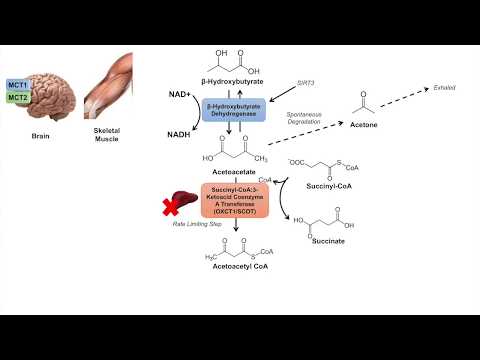
The proposed mechanism is exogenous ketone support: 1,3-butanediol and related ketone formulations are positioned in the evidence as ways to induce or sustain ketosis, supplying beta-hydroxybutyrate or ketone precursors as alternative fuels and signaling metabolites for tissues including brain and muscle. Supporting field-context evidence suggests ketones can modulate neuronal respiration, muscle ketolysis, and mitochondrial metabolism, but those data are mixed across models and often age-, tissue-, or disease-context dependent.

Approach

The concrete approach is a consumer-ready, ready-to-drink ketone product built around R-1,3-butanediol, paired with a translational study effort through a UC San Diego/XPRIZE Healthspan semifinalist project. In practice, this looks like product-led human testing of whether a commercially formulated ketone intervention can shift mitochondrial and functional endpoints in older adults.

Status

Early translational/commercial stage. The strongest project-specific signal is a May 14, 2025 press release stating that MiDR1V3 was included in a UC San Diego-led XPRIZE Healthspan semifinalist project that received a $250,000 Milestone 1 award; this supports the existence of a collaboration and planned testing, not clinical success. No peer-reviewed Mitargos-specific human outcome data were provided.

Success criteria

Convincing success would require more than showing that the drink raises ketones. The project would need controlled human evidence that the intervention improves mitochondrial function and produces meaningful gains in at least some of the promised domains such as physical performance, cognition, or related healthspan measures in older adults, while remaining tolerable and practical for repeated use.

Near-term impact (1-3 yrs)

In the next 1-3 years, validation would make it plausible to use standardized ketone beverages as practical mitochondrial-support interventions in aging studies, wellness programs, or targeted brain/muscle health pilots. It could also accelerate clinical testing of exogenous ketone strategies in older adults and make ketone-based products more credible as tools for short-term bioenergetic support rather than just ketogenic-diet adjuncts.

Future horizons (5-20 yrs)

Over 5-20 years, success could help establish a broader subfield around precision ketone bioenergetics: matching ketone formulations, dosing, stereochemistry, and combinations to specific aging phenotypes such as cognitive decline, sarcopenia, insulin resistance, or mitochondrial dysfunction. It could also open new work on combining ketones with NAD-linked, exercise, fasting, or neurodegeneration-focused interventions, but only if durable human benefits prove reproducible.

Breakthrough thesis

The bullish case is that Mitargos is productizing a tractable way to deliver ketosis without strict ketogenic-diet adherence, and that this could translate mitochondrial and ketone biology into an accessible intervention for older adults. If the UC San Diego/XPRIZE-linked effort finds real functional benefit, Mitargos could sit at the intersection of consumer deployment and legitimate translational longevity research.

Failure thesis

The skeptical case is stronger on current evidence: most support here is patents, background reviews, animal or cell studies, and a company-linked announcement. Ketone biology is plausible but inconsistent across age, tissue, and disease context; some evidence suggests older organisms respond less robustly, and ketogenic approaches can bring GI, lipid, uric acid, acidosis, or tolerability issues. Mitargos may prove better at IP/product positioning and ketone delivery than at producing meaningful healthspan outcomes.

Risk of failure

Technical82

The only direct project-specific evidence is a company-linked announcement that MiDR1V3 will be tested in a UC San Diego-led study tied to an XPRIZE Healthspan semifinalist project. That supports a real intervention and planned testing, but not that the drink can actually improve mitochondrial function or the promised functional endpoints. On the supplied evidence, the core science-to-product step remains unproven.

Translational86

Translation risk is very high because the supplied project-specific evidence shows intention to test MiDR1V3 in a clinical study, not successful human outcomes. The project is aiming at broad aging-related endpoints such as muscle strength, cognition, and immune resilience, which raises the bar for reproducible human benefit. There is no Mitargos-specific clinical readout in the evidence provided.

Regulatory / jurisdictional58

Regulatory risk looks moderate rather than extreme. The evidence frames MiDR1V3 as a consumer-ready ketone product that will be tested in a clinical study, which suggests some boundary risk between beverage/supplement-style commercialization and clinically framed healthspan claims. However, the supplied record does not show a novel therapeutic regulatory filing, device pathway, or other unusually heavy regulatory structure.

Competitive dynamics72

Competitive risk is high because the project-specific differentiation shown here is limited: a ketone precursor drink plus participation in a UC San Diego-led XPRIZE semifinalist study. The supplied evidence does not establish a demonstrated efficacy moat, a locked-in distribution advantage, or a clearly evidenced proprietary corridor around commercialization, so faster-moving ketone or healthy-aging competitors could narrow the window.

Team / operational69

There is at least one real execution signal: MiDR1V3 is included in a UC San Diego-led semifinalist project, and the announcement names Anthony Molina and the collaborating team. That reduces risk somewhat. Still, the supplied evidence gives little independent visibility into Mitargos's own operating team, prior delivery record, or ability to run from product launch through credible clinical validation, so operational risk remains elevated.

Funding / capital74

Capital risk is high. The XPRIZE-linked semifinalist participation is a useful external signal and may help fundraising credibility, but the supplied evidence does not show financing history, revenue, grant support directly attributable to Mitargos, or a funded clinical development path. If the company needs controlled human validation to justify stronger aging claims, capital needs could rise faster than the current evidence base.

Scientific panel

Mechanism plausibility64

The central mechanism is biologically plausible: ketosis and ketone bodies are established metabolic states/substrates, and field evidence links ketogenic interventions or beta-hydroxybutyrate to mitochondrial, neuronal, and muscle-energy biology. However, the leap from an R-1,3-butanediol drink to durable improvements in cognition, muscle, immune resilience, or healthspan in older adults remains only indirectly supported, and some field evidence indicates context-dependent or impaired ketone oxidation in insulin-resistant or older biological states.

Evidence base41

The broader ketone and mitochondrial-energy field has substantial review, animal, cell, patent, and mechanistic literature, plus some clinical-diet context. But the project-specific evidence is thin: a press release says MiDR1V3 will be tested in a UC San Diego-led XPRIZE Healthspan semifinalist project, and XPRIZE confirms milestone winners, but no Mitargos-specific peer-reviewed human efficacy, dosing, safety, biomarker, or outcome data are provided.

Methodological rigor28

The available project-specific evidence supports planned testing through a UC San Diego-led clinical study and an XPRIZE milestone context, but it does not provide a protocol, control group, randomization, blinding, sample size, statistical plan, preregistration, or endpoint hierarchy. The rigorous elements may exist, but they are not evidenced here.

Reproducibility18

No evidence shows independent replication of MiDR1V3, replication of Mitargos’ own findings, or reproduced human healthspan outcomes for this specific formulation. The field has many related ketone patents and studies, but those are not reproducibility evidence for this project.

Novelty37

The project is not conceptually novel at the level of exogenous ketone delivery, ketone esters/salts, 1,3-butanediol, or mitochondrial-function positioning; the fetched patent landscape is crowded. Its differentiator appears to be a consumer-ready R-1,3-butanediol product tied to a healthspan-focused older-adult translational study, which is potentially useful but more incremental than frontier biology.

Falsifiability69

The core claim is testable: MiDR1V3 should raise ketone exposure and, in the proposed clinical context, improve mitochondrial and functional outcomes relevant to healthspan. Failure to improve prespecified mitochondrial, physical, cognitive, or immune endpoints despite adequate exposure would directly weaken the thesis. The score is limited because the supplied evidence does not define exact thresholds, endpoints, duration, or statistical success criteria.

Breakthrough panel

Mechanism novelty28

The project appears to be an applied formulation and testing effort around exogenous ketone delivery, not a new aging mechanism. MiDR1V3 is described as an R-1,3-butanediol ketone precursor drink to be tested in a UC San Diego-led XPRIZE Healthspan semifinalist project, while the surrounding patent landscape already contains many ketone, butanediol, BHB, and sustained-ketosis compositions. Novelty is therefore mainly productization, stereochemistry/formulation, and older-adult translational framing.

Effect size+1 yr lifespan24

The evidence supports a plausible metabolic intervention but not a demonstrated large healthspan effect. The strongest project-specific evidence says the drink will be tested for mitochondrial function and healthy-aging outcomes; it does not report human efficacy. Field evidence supports ketone biology in disease and bioenergetics, but also frames ketogenic approaches as needing more randomized clinical validation. I would anchor the successful-outcome healthspan impact low, around 1 year, because this is a repeat-use nutritional bioenergetic support product rather than a direct rejuvenation modality.

Cross-domain impact34

Near-term cross-domain impact is modest but real: if the study works, a consumer-ready ketone beverage could be useful across aging trials, brain-energy work, muscle-function studies, and nutrition/metabolism pilots. Current evidence does not show it already unlocks new capabilities outside those adjacent biomedical domains, and field-context work suggests the biology remains context-dependent.

Future opening potential48

If a controlled older-adult study shows functional gains, it could open more precise ketone-bioenergetics work: dose, stereochemistry, tissue targeting, and combinations with NAD or exercise/fasting-like interventions. The score is capped because the supplied evidence shows an existing crowded ketone and mitochondrial-function landscape, so success would more likely strengthen and segment an existing field than create a new one.

Time horizon~2 yr62

The project is already linked to a semifinalist XPRIZE Healthspan study, so first demonstrable results could plausibly arrive in about 2 years if the study executes. This earns a relatively high time-horizon score, but the milestone evidence supports selection and planned testing, not completed clinical proof.

Paradigm shift signal22

A positive result would make exogenous ketone drinks more credible as practical healthspan-support tools, but it would not overturn mainstream aging biology. Ketosis, BHB, mitochondrial bioenergetics, and ketone esters are already well-established research themes; the paradigm-shift case depends on unexpectedly broad, reproducible functional improvements in older adults, which are not yet evidenced.

Investor panel

Most attractive
Cost to commercialize (74)

If treated as a consumer beverage/supplement, capital to first commercial launch is relatively low: formulation, contract manufacturing, quality, branding, and distribution are modest compared with clinical biotech. I estimate $8M to commercialize from the current stage. This score would fall sharply if Mitargos needs randomized trials sufficient for disease or FDA-style therapeutic claims.

Most concerning
Founder skin in the game (5)

No fetched evidence describes founder capital at risk, salary sacrifice, equity-versus-cash incentives, public personal commitment, or career risk. The press release shows company participation in a public XPRIZE-linked study, but that is not enough to infer founder skin in the game.

Addressable market$5B58

The target problem is broad: healthy aging outcomes across muscle strength, cognition, immune resilience, mitochondrial function, and older-adult bioenergetics. That is a large potential wellness/healthspan market, but no fetched evidence gives a direct TAM estimate for Mitargos, ketone drinks, or healthspan interventions. I therefore use a conservative $5B TAM proxy rather than a stronger analyst-derived number. The XPRIZE evidence supports field interest and a large healthspan prize, not commercial demand.

Defensibility24

Defensibility looks weak on supplied evidence. Mitargos is described as having a product based on R-1,3-butanediol, but no Mitargos-owned patent, exclusive license, proprietary dataset, or manufacturing moat is provided. The wider ketone and butanediol patent landscape includes many active or historical filings by other parties, which suggests crowded IP rather than clear freedom to own the category.

Team execution capacity46

The UC San Diego-linked study has credible academic leadership: the press release names Anthony Molina as a UC San Diego professor and scientific director, and says his team has over a decade of mitochondrial aging research. That supports scientific execution capacity for a study. It does not establish that Mitargos itself has shipped comparable clinical, regulatory, or consumer health products at scale.

Founder skin in the game5

No fetched evidence describes founder capital at risk, salary sacrifice, equity-versus-cash incentives, public personal commitment, or career risk. The press release shows company participation in a public XPRIZE-linked study, but that is not enough to infer founder skin in the game.

Customer validation signal30

There is a real outside validation signal: MiDR1V3 is planned for testing in a UC San Diego-led XPRIZE Healthspan semifinalist project, and XPRIZE reports first milestone winners in a competition with over 600 teams from 58 countries. However, this is not customer validation in the commercial sense: no paying customers, LOIs, pilots with buyers, enrollment completion, pharma option, or regulatory designation is provided.

Burn to breakeven$20M68

As a ready-to-drink supplement-style ketone product, commercialization could be much less capital-intensive than a therapeutic biotech program if Mitargos stays in consumer wellness. I estimate $20M to cash-flow breakeven for formulation, manufacturing scale-up, marketing, and clinical substantiation. If the company pursues regulated therapeutic claims, this estimate would be far too low.

Time to value2 yr62

Time to near-term value is moderate because the product appears consumer-ready and the XPRIZE-linked clinical study could create a readout or visibility event before full therapeutic validation. I estimate 24 months to a meaningful value inflection, but the evidence supports planned testing only, not an existing clinical readout.

Regulatory pathway clarity52

Regulatory clarity depends on claims. A beverage positioned for daily mitochondrial support has a relatively clear supplement/food path but limited permissible disease or healthspan claims. A drug-like route for cognition, sarcopenia, or mitochondrial dysfunction would be much less clear and more expensive. Existing ketogenic-diet evidence is strongest in epilepsy and selected metabolic contexts, not Mitargos-specific geroprotection.

Competitive freedom22

Competitive freedom is poor. The fetched patent set shows many groups pursuing ketone bodies, ketone esters, beta-hydroxybutyrate salts, butanediol variants, taste masking, and mitochondrial-function claims. That makes differentiation difficult unless Mitargos has undisclosed formulation, clinical, brand, or supply-chain advantages.

Asymmetric upside10×50

The upside case is meaningful but speculative: a validated, tolerable ketone intervention that improves older-adult physical, cognitive, or immune outcomes could create a differentiated healthspan product and possibly a platform around precision ketone bioenergetics. Current evidence is mostly plausibility, patents, field literature, and planned testing, so I use a 10x best-case multiple rather than biotech-platform-style upside.

Exit landscape20

No fetched evidence provides M&A, licensing, or option deal comparables for ketone drinks, ketone therapeutics, or mitochondrial healthspan products. The presence of many patents and large-company assignees such as Nestle-related filings shows strategic interest in the field, but that is not an exit comparable.

Cost to commercialize$8M74

If treated as a consumer beverage/supplement, capital to first commercial launch is relatively low: formulation, contract manufacturing, quality, branding, and distribution are modest compared with clinical biotech. I estimate $8M to commercialize from the current stage. This score would fall sharply if Mitargos needs randomized trials sufficient for disease or FDA-style therapeutic claims.

Authors

No authors resolved yet.

Scientific theories

Exogenous ketone enhancement of mitochondrial bioenergeticsPrimarymanual entrymedium

Exogenous ketones are proposed to improve healthspan-relevant physiology by enhancing mitochondrial function, as measured through novel mitochondrial bioenergetic markers in blood. The causal theory is that increasing ketone exposure produces measurable improvements in mitochondrial bioenergetic capacity, and that better mitochondrial function is mechanistically relevant to aging, healthspan, or age-related disease biology. A testable prediction is that administration of exogenous ketones will produce a dose-response improvement in blood-based mitochondrial bioenergetic markers. Higher ketone doses should correspond to stronger improvements in mitochondrial function, assuming tolerability and appropriate exposure. A further prediction is that these blood markers can serve as scalable indicators of intervention-driven mitochondrial enhancement.

Popperian evaluation
Premise plausibility6.0/10

The core premises are biologically plausible: ketones are energetic substrates and signaling metabolites, mitochondrial function is relevant to aging biology, and mitochondrial bioenergetic capacity can in principle be measured in peripheral blood cells. However, the theory depends heavily on two less-secure premises: that exogenous ketone exposure reliably enhances mitochondrial bioenergetic capacity rather than merely shifting substrate use, and that blood-based bioenergetic markers accurately represent systemic or tissue-relevant mitochondrial improvement.

Supporting
  • Ketones can alter cellular energy metabolism and may affect mitochondrial substrate availability, redox state, and signaling pathways.
  • Mitochondrial dysfunction is widely implicated in aging, metabolic disease, neurodegeneration, and other healthspan-relevant biology.
  • Blood-derived cells can be used for mitochondrial respiration or bioenergetic assays, making the measurement strategy technically plausible.
Counter
  • Peripheral blood mitochondrial markers may not reflect mitochondrial function in brain, muscle, liver, heart, or other disease-relevant tissues.
  • Improved blood bioenergetic markers would not by itself establish durable healthspan benefit.
  • Ketone effects may depend on baseline metabolic state, diet, disease status, dose, formulation, and acute versus chronic exposure.
Explanatory power4.0/10

The theory offers a coherent mechanistic explanation for why exogenous ketones might improve some mitochondrial markers, but the provided evidence context contains no actual observations, publications, effect sizes, or comparisons against alternatives. Alternative explanations such as acute substrate switching, altered immune-cell composition, assay artifacts, caloric displacement, changes in insulin or glucose, or stress-response signaling could also explain changes in blood bioenergetic readouts.

Supporting
  • A dose-response improvement in mitochondrial bioenergetic markers, if observed, would be consistent with a ketone-driven mechanism.
  • The theory connects a measurable intervention exposure to a plausible mechanistic intermediate: mitochondrial bioenergetic capacity.
Counter
  • No direct empirical evidence is provided showing that exogenous ketones improve the specified blood-based mitochondrial markers.
  • No evidence is provided that these markers mediate healthspan-relevant outcomes.
  • The theory does not yet distinguish mitochondrial enhancement from alternative explanations such as substrate availability, changes in blood-cell populations, or nonspecific metabolic effects.
Falsifiability8.0/10

The theory is meaningfully falsifiable because it predicts a measurable dose-response relationship between exogenous ketone administration and blood-based mitochondrial bioenergetic markers. It could be weakened or rejected if controlled studies show adequate ketone exposure without marker improvement, no dose-response, inconsistent directionality, or dissociation between blood markers and more direct mitochondrial measures.

Supporting
  • The theory specifies an intervention, exogenous ketone administration.
  • It specifies a directional outcome: improvement in mitochondrial bioenergetic markers.
  • It specifies a dose-response prediction: higher ketone doses should produce stronger improvements, assuming tolerability and adequate exposure.
Counter
  • The prediction remains somewhat underspecified because the exact ketone formulation, dosing window, marker panel, effect size, population, and timing are not defined.
  • The tolerability and appropriate-exposure caveat could make negative high-dose results easier to reinterpret unless preregistered criteria are set.
Ambition7.0/10

The theory targets an important and difficult healthspan problem by proposing that a scalable metabolic intervention can enhance mitochondrial function, a central mechanism in aging biology. Its ambition is substantial because it links intervention, biomarker development, mitochondrial mechanisms, and healthspan relevance. However, it is not maximally ambitious because ketone metabolism and mitochondrial aging are already established research areas, and the claim stops at blood-based mitochondrial enhancement rather than directly proposing reversal of aging or broad disease modification.

Supporting
  • Mitochondrial decline is a major proposed contributor to aging and age-related disease biology.
  • A scalable blood-based marker of intervention-driven mitochondrial enhancement would be practically valuable for human aging trials.
  • Exogenous ketones are a relatively accessible intervention class with potential translational relevance.
Counter
  • The mechanism is plausible but not highly novel, since ketone metabolism and mitochondrial bioenergetics are already well-studied.
  • The theory currently focuses on intermediate biomarkers rather than direct healthspan, disease, or aging outcomes.
  • The proposed blood-marker strategy may be more incremental than transformative unless validated against tissue-level function and clinical outcomes.
Foundational alignment
thermodynamics · tension (6)network theory · tension (5)evolution · tension (4)cybernetics · tension (5)disease etiology · tension (4)
Theory rollup
Premise plausibility6.0/10

The core premises are biologically plausible: ketones are energetic substrates and signaling metabolites, mitochondrial function is relevant to aging biology, and mitochondrial bioenergetic capacity can in principle be measured in peripheral blood cells. However, the theory depends heavily on two less-secure premises: that exogenous ketone exposure reliably enhances mitochondrial bioenergetic capacity rather than merely shifting substrate use, and that blood-based bioenergetic markers accurately represent systemic or tissue-relevant mitochondrial improvement.

Explanatory power4.0/10

The theory offers a coherent mechanistic explanation for why exogenous ketones might improve some mitochondrial markers, but the provided evidence context contains no actual observations, publications, effect sizes, or comparisons against alternatives. Alternative explanations such as acute substrate switching, altered immune-cell composition, assay artifacts, caloric displacement, changes in insulin or glucose, or stress-response signaling could also explain changes in blood bioenergetic readouts.

Falsifiability8.0/10

The theory is meaningfully falsifiable because it predicts a measurable dose-response relationship between exogenous ketone administration and blood-based mitochondrial bioenergetic markers. It could be weakened or rejected if controlled studies show adequate ketone exposure without marker improvement, no dose-response, inconsistent directionality, or dissociation between blood markers and more direct mitochondrial measures.

Ambition7.0/10

The theory targets an important and difficult healthspan problem by proposing that a scalable metabolic intervention can enhance mitochondrial function, a central mechanism in aging biology. Its ambition is substantial because it links intervention, biomarker development, mitochondrial mechanisms, and healthspan relevance. However, it is not maximally ambitious because ketone metabolism and mitochondrial aging are already established research areas, and the claim stops at blood-based mitochondrial enhancement rather than directly proposing reversal of aging or broad disease modification.

Videos

Amino Acid Metabolism - YouTube
viral
27:281,819,367 views43,059 likes1,488 commentsnot applicableField context

Video summary pending.

How Ketones Reduce Inflammation by Supporting Mitochondria ...
moderate
47:173,794 views213 likes12 commentsnot applicableField context

Video summary pending.

How Ketones Protect the Cardiovascular System - YouTube
discussed
27:2130,213 views1,875 likes122 commentsnot applicableField context

Video summary pending.

Metabolism | Gluconeogenesis - YouTube
viral
29:061,607,660 views42,691 likes1,527 commentsnot applicableField context

Video summary pending.

Lecture On Ketone Body Metabolism: Ketogenesis, Ketolysis ...
unwatched
40:2439 views1 likes0 commentsnot applicableField context

Video summary pending.

14. Ketone Body Metabolism | USMLE Step 1 High-Yield Review
low signal
19:10243 views8 likes1 commentsnot applicableField context

Video summary pending.

Can You Build Muscle on a Low-Carb Ketogenic Diet ... - YouTube
discussed
27:5393,389 views3,752 likes253 commentsnot applicableField context

Video summary pending.

Ketone Body Metabolism | Transport, Absorption and Catabolism
discussed
9:27121,646 views2,461 likes59 commentsnot applicableField context

Video summary pending.

108: Menopause, Ketones, and Metabolism: A Strategy Explained
discussed
29:4457,714 views3,231 likes279 commentsnot applicableField context

Video summary pending.

Ketone Metabolism - YouTube
discussed
31:23777,182 views24,131 likes873 commentsnot applicableField context

Video summary pending.

57: Exogenous Ketones with Dr. Ben Bikman - YouTube
discussed
30:20104,922 views5,271 likes591 commentsnot applicableField context

Video summary pending.

Bullpen Pitch Fest | Empowering Lives Post-Stroke: Kirt Gill of NeuraStasis
unwatchedneutral
5:5623 views0 likes0 commentsreadyField context

In this short pitch, Kirt Gill presents NeuraStasis as a stroke-focused medical device startup developing wearable neuromodulation systems for both chronic neurorehabilitation and acute brain protection. He frames the company through his own radiology and biodesign background, highlighting mission-driven work to improve outcomes for stroke survivors. The pitch emphasizes feasibility work with UT Health Houston, prior NIH funding of more than $1 million, and the search for additional clinical partners and grants. Relative to the ketone/mitochondrial project, this functions only as broad field-context evidence about age-related or neurologic intervention entrepreneurship, not as direct evidence for MiDR1V3, ketone biology, or project-specific efficacy.

Key takeaways
  • NeuraStasis is presented as a startup focused on stroke care rather than ketone therapeutics or mitochondrial bioenergetics.
  • The speaker describes two product directions: chronic stroke neurorehabilitation and acute stroke brain protection.
  • The company claims ongoing feasibility work with UT Health Houston and over $1 million in prior NIH funding.
  • The presentation is investor- and partner-oriented, with a clear promotional tone and a request for more collaborators.
  • For the target project, the video offers only indirect field context and no direct validation of the ketone drink or the XPRIZE-linked study.
Bullpen Pitch Fest | Redefining Neurodegeneration: An Interview with Vassili Kotlov, CEO of Mitargos
low signalfavorable
7:3558 views1 likes0 commentsreadyField context

This interview features Mitargos CEO Vassili Kotlov presenting the company as a startup focused on neurodegeneration and aging through mitochondrial bioenergetics rather than conventional target-based drug development. He argues that mitochondria are central to resilience and says the broader biologic and clinical rationale for this approach is strong. The segment is primarily a founder-led pitch for collaborators, investors, and partners, with no project-specific experimental results, clinical data, or validated efficacy evidence discussed. In relation to the ketone and mitochondrial-function project, the video mainly adds field-level positioning and company intent rather than hard evidence about outcomes.

Key takeaways
  • The CEO frames Mitargos around mitochondrial bioenergetics as a systems-level strategy for aging and neurodegeneration.
  • The discussion is founder-led and promotional, emphasizing mission, vision, and the company-building stage.
  • No project-specific trial data, experimental readouts, or efficacy results are presented.
  • The video is more relevant as field context than as evidence supporting the specific ketone intervention.
  • Mitargos appears to be actively seeking investors, collaborators, partners, and team members.

Evidence

news (1)
paper (34)
Ketogenic diet regulates Uch-L1(C) to improve cerebral energy metabolism and cognitive function in Alzheimer's disease mice.
Field contextfetched
https://pubmed.ncbi.nlm.nih.gov/42007524/
pmc5/24/2026113,773 chars
Ketogenic metabolic therapy: low-carbohydrate interventions as novel neuroprotective strategies for cognitive dysfunction in diabetes.
Field contextfetched
https://pubmed.ncbi.nlm.nih.gov/42109909/
pmc5/24/2026197,099 chars
Fourier Transform Infrared Imaging Supported by Raman Spectroscopy Reveals Biochemical Changes in Adult Rat Brains Following Prenatal Exposure to a Ketogenic Diet.
Field contextfetched
https://pubmed.ncbi.nlm.nih.gov/42157466/
europepmc5/24/20262,440 chars
Rethinking dietary fat for the aging brain: the roles or ketosis and fat quality in cerebrovascular aging and VCID.
Field contextfetched
https://pubmed.ncbi.nlm.nih.gov/42176305/
europepmc5/24/202614,014 chars
Empagliflozin Attenuates Global Cerebral Ischemic Injury After Cardiac Arrest Through Enhancing Ketone Body Oxidative Metabolism in Rats.
Field contextfetched
https://pubmed.ncbi.nlm.nih.gov/41717961/
pmc5/22/2026130,850 chars
The Role of Ketogenic Diet and β-Hydroxybutyrate in the Prevention of Muscle Catabolism and Sarcopenia in Aging Populations: Mechanisms, Evidence, and Clinical Perspectives.
Field contextfetched
https://pubmed.ncbi.nlm.nih.gov/41829932/
europepmc5/22/202613,866 chars
Effect of Dietary Ketosis and Nicotinamide Riboside on Hippocampal Krebs Cycle Intermediates and Mitochondrial Energetics in a DNA Repair-Deficient 3xTg/POLβ+/- Alzheimer Disease Mouse Model.
Field contextfetched
https://pubmed.ncbi.nlm.nih.gov/39788884/
pmc5/24/2026225,531 chars
Combined ketone body and glutamine supplementation restores aerobic energy production in AGC1-deficient neuronal progenitors.
Field contextfetched
https://pubmed.ncbi.nlm.nih.gov/41398145/
pmc5/22/2026220,854 chars
Ketone flux through BDH1 supports metabolic remodeling of skeletal and cardiac muscles in response to intermittent time-restricted feeding.
Field contextfetched
https://pubmed.ncbi.nlm.nih.gov/38325337/
pmc5/24/2026207,795 chars
Alternate-day fasting improves cognitive and brain energy deficits by promoting ketone metabolism in the 3xTg mouse model of Alzheimer's disease.
Field contextfetched
https://pubmed.ncbi.nlm.nih.gov/39142368/
jina5/24/2026592 chars
Differences in the Effect of Beta-Hydroxybutyrate on the Mitochondrial Biogenesis, Oxidative Stress and Inflammation Markers in Tissues from Young and Old Rats.
Field contextfetched
https://pubmed.ncbi.nlm.nih.gov/39218029/
europepmc5/22/202613,446 chars
A Non-Invasive Determination of Ketosis-Induced Elimination of Chronic Daytime Somnolence in a Patient with Late-Stage Dementia (Assessed with Type 3 Diabetes): A Potential Role of Neurogenesis.
Field contextfetched
https://pubmed.ncbi.nlm.nih.gov/35088033/
pmc5/24/2026220,690 chars
Medium-chain plasma acylcarnitines, ketone levels, cognition, and gray matter volumes in healthy elderly, mildly cognitively impaired, or Alzheimer's disease subjects.
Field contextfetched
https://pubmed.ncbi.nlm.nih.gov/27255810/
europepmc5/24/20261,036 chars
2-Deoxy-D-glucose treatment induces ketogenesis, sustains mitochondrial function, and reduces pathology in female mouse model of Alzheimer's disease.
Field contextfetched
https://pubmed.ncbi.nlm.nih.gov/21747957/
europepmc5/24/20261,595 chars
Shift in brain metabolism in late onset Alzheimer's disease: implications for biomarkers and therapeutic interventions.
Field contextfetched
https://pubmed.ncbi.nlm.nih.gov/22024249/
pmc5/24/2026199,906 chars
patent (77)
preprint (4)
A Spatially Distributed Model of Brain Metabolism Highlights the Role of Diffusion in Brain Energy Metabolism
Field contextfetched
http://arxiv.org/abs/2211.02182v1
jina5/24/20262,308 chars
Approximate invariance of metabolic energy per synapse during development in mammalian brains
Field contextfetched
http://arxiv.org/abs/1204.3928v1
jina5/24/20263,403 chars
project page (1)
Mitochondrial Bioenergetics and Ketone
Project specificfailed_at_fetch
https://mitargos.com
direct5/22/20260 chars
video (13)
web (6)
wiki (11)

★ AI estimate from available evidence — click any star for rationale.