Ratings
Eternal Search
Heroes
People whose work, funding, scientific leadership, and multiplier effects have shaped the longevity field.
Every score here rates one thing: longevity commitment. The role tags — scientist, investor, founder, and the rest — describe what a person does. We do not compute a separate rating for each tag.
Scoring AI engine · v0.9.0
RolesAllcliniciancommunicatorentrepreneurinvestoroperatorphilanthropistpopulariserscientistself-experimenter
SortOverallRecently updatedFuture visionScientific impactCapital deployedStrategic tasteField creationBravery and convictionMultiplier effect
#ScoreHeroDimensionsScored
174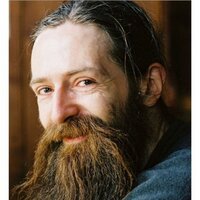
Aubrey de Greyv0.4.0
He made SENS-style damage repair a durable longevity agenda: 325 works, 4,733 citations, and public pushes for political attention. Not proof of therapies. Proof of agenda-setting.populariserscientistphilanthropist
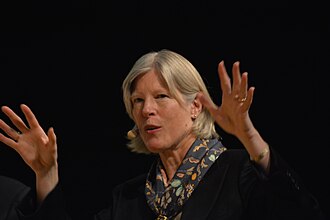
Cynthia Kenyonv0.4.0
Kenyon helped prove aging is not mystical wear-and-tear: a single daf-2 mutation doubled worm lifespan. That result made genetic control of longevity a serious field, not a fringe wish.scientistentrepreneuroperator
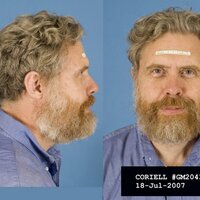
George Churchv0.4.0
Church helped make longevity a genomics problem: aging-expression signatures, naked mole-rat transcriptomics, and screen pipelines. Not immortality dust; useful machinery.scientistentrepreneurinvestor
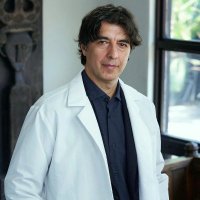
Valter Longov0.8.0
Longo helped move fasting biology from aging mechanisms into fasting-mimicking diets and human trials. His 348 works have drawn 37,268 citations, though clinical adoption remains unproven.scientist

Marco Demariav0.8.0
Demaria helped define how senescent cells can aid wound healing yet drive age-related disease, then advanced their use as biomarkers and therapeutic targets.scientistentrepreneur
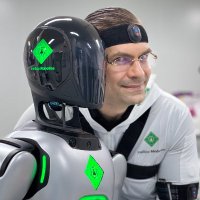
Alex Zhavoronkovv0.4.0
Zhavoronkov helped make AI drug discovery a serious longevity lane, not just conference vapor. His record is strongest in papers and Insilico’s aging-target work, not proven clinical wins.populariserentrepreneurscientist
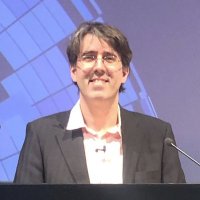
João Pedro de Magalhãesv0.4.0
Magalhães helped build aging biology’s plumbing: genomic and longevity databases that became highly cited tools, not just another pile of anti-aging slogans.scientistentrepreneurphilanthropist
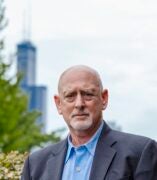
S. Jay Olshanskyv0.8.0
Olshansky shaped debates on longevity limits and made delayed aging a public-health and economic case. His 178 works have drawn more than 13,000 citations, including major papers on healthspan and life expectancy.scientistentrepreneur
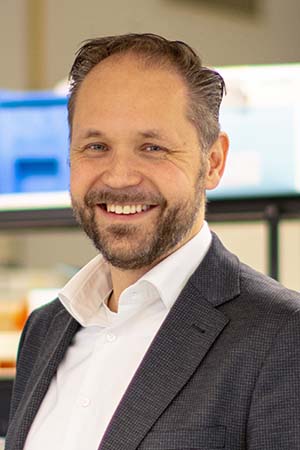
Peter de Keizerv0.8.0
De Keizer helped establish targeted senescent-cell removal as a longevity strategy. His landmark 2017 paper has 1,456 citations, though human clinical benefit remains unproven.scientistentrepreneur
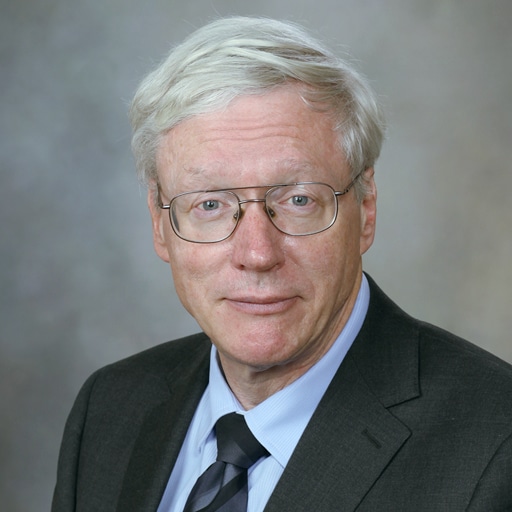
James L. Kirklandv0.8.0
Kirkland helped establish senolytics as a major geroscience strategy, advancing senescent-cell clearance from landmark animal studies to early human trials in kidney and lung disease.scientistoperator
Steve Horvathv0.4.0
Horvath made aging measurable enough for others to argue with it. His epigenetic clocks became a test bed for longevity claims, including studies that find no rejuvenation when the hype fails.scientistpopulariserphilanthropist
Vera Gorbunovav0.8.0
Gorbunova used long-lived mammals as natural experiments, helping identify links between naked-mole-rat cancer resistance, SIRT6-driven DNA repair, genome stability and longevity.scientistpopulariser

Matt Kaeberleinv0.4.0
Kaeberlein helped make mTOR, sirtuins, and rapamycin unavoidable in serious aging biology. Not a miracle salesman: his dog rapamycin trial found tolerability, not cardiac magic.scientistpopulariserentrepreneur

Andrea Maierv0.8.0
Andrea Maier has pushed geroscience toward clinical use through influential research on cellular senescence, sarcopenia and aging biomarkers. Her 747 papers have drawn 32,898 citations, with an h-index of 83.scientistclinicianentrepreneur
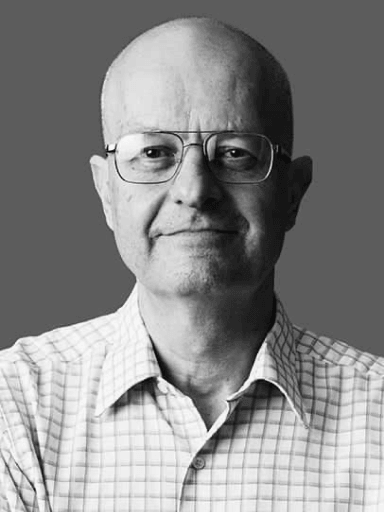
Leonard Guarentev0.6.0
Guarente helped make sirtuins and NAD biology unavoidable in longevity research: 71,187 citations, h-index 117, and landmark Sir2/SIRT papers. The consumer-translation case is thinner.scientist
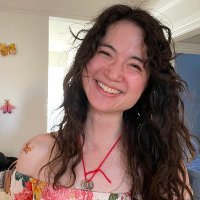
Laura Demingv0.4.0
Deming helped drag longevity biotech from weird sidebar into fundable company-building, then put her current bet on reversible organ cryopreservation. Not proof of victory; proof of taste.investorentrepreneurpopulariser
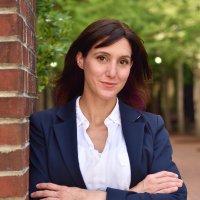
Jamie Justicev0.8.0
Jamie Justice helped move geroscience toward human trials through a first-in-human senolytics study and widely cited frameworks for selecting and validating aging biomarkers.scientistoperatorpopulariser
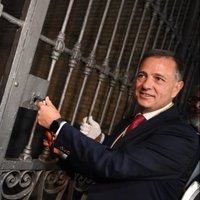
Manuel Serranov0.8.0
Serrano helped define the Hallmarks of Aging and mapped intermediate states of cellular reprogramming that may guide tissue regeneration and rejuvenation.scientist
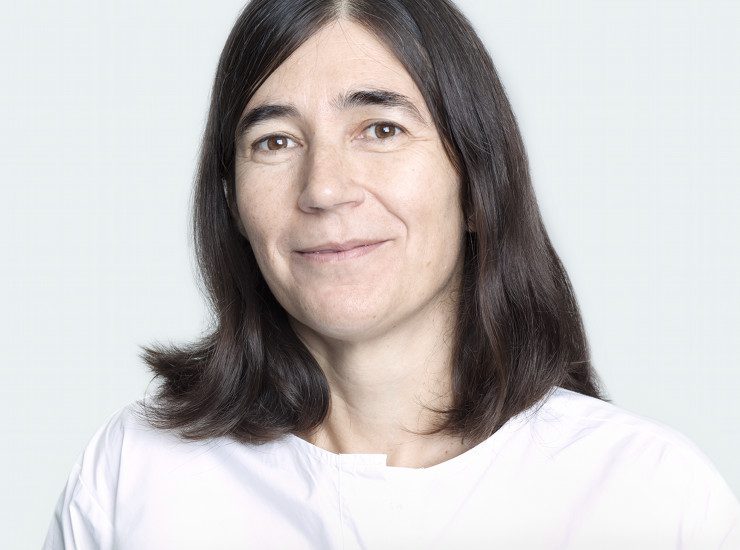
Maria Blascov0.8.0
Blasco helped shape modern telomere biology. Her 508 papers have drawn more than 71,000 citations, including foundational work linking telomerase loss, aging, and cancer.scientistoperator
Anne Brunetv0.8.0
Brunet helped establish FOXO and SIRT1 as central molecular links between stress responses and longevity. Her 253 papers have drawn more than 52,000 citations.scientist
Juan Carlos Izpisua Belmontev0.4.0
Belmonte made cellular reprogramming a serious aging target, not a wellness slogan. His record includes 54,692 citations and major work on partial reprogramming of age-associated hallmarks.scientistentrepreneur
Paul D. Robbinsv0.8.0
Robbins helped establish senolytics as a major longevity research path by identifying compounds that clear senescent cells and showing gains in physical function and lifespan.scientist

Vadim Gladyshevv0.8.0
Gladyshev helped shape aging research across biological clocks, biomarkers, comparative longevity and epigenetic rejuvenation. His 790 papers have received more than 56,000 citations.scientist

Eric Verdinv0.4.0
Verdin helped drag geroscience from aging folklore into citation-heavy biology: 73,392 citations, h-index 133, and major work on NAD+, sirtuins, inflammation, and aging biomarkers.scientistentrepreneurinvestor
Guido Kroemerv0.8.0
Kroemer helped define how aging research understands autophagy, metabolism, and cell death. His 2,322 papers have drawn more than 383,000 citations.scientist
Michael Levinv0.4.0
Levin gave longevity a less fashionable but useful target: tissue-level bioelectric control. His work treats aging partly as failed morphostasis, not just a pile of broken genes.scientistentrepreneur
Morgan Levinev0.8.0
Morgan Levine helped make biological aging measurable: her epigenetic clocks predict health and mortality risk, while her methods have shaped studies with more than 20,000 citations across her work.scientistoperator

Celine Haliouav0.8.0
Celine Halioua founded Loyal and raised $38 million to develop drugs that extend dogs’ lifespan and healthspan, with the aim of applying those lessons to human aging medicines.entrepreneurscientist
David Gobelv0.6.0
Gobel’s direct science record is thin. His real longevity impact is co-founding Methuselah Foundation, an early platform for prizes, grants, projects, and ventures chasing healthy lifespan.philanthropistpopulariserentrepreneur
Michael Grevev0.6.0
Greve helped make longevity more operational: Forever Healthy pushes intervention reviews and translation of molecular repair research into therapies. The capital claims are thinner than the legend.investorphilanthropistentrepreneur
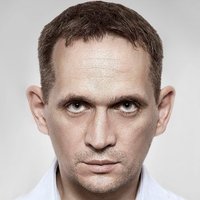
Peter Fedichevv0.4.0
Fedichev pushed aging toward physics-style resilience models, not wellness fog. Through Gero and cited aging work, he helped make loss of resilience a testable longevity target.entrepreneurscientist
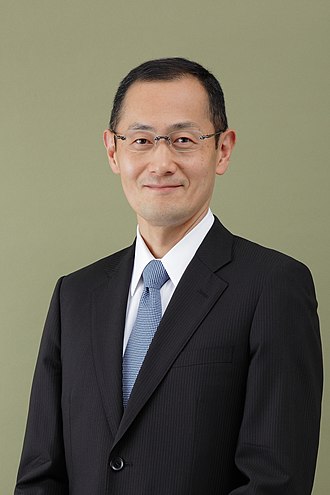
Shinya Yamanakav0.4.0
Yamanaka gave longevity science its sharpest cell-level reset button: iPS reprogramming. It lets researchers rewind adult cells, model disease, and test regenerative medicine; lifespan claims can wait.scientistoperator

Nir Barzilaiv0.4.0
Barzilai helped drag longevity from supplement folklore toward testable geroscience: metformin, metabolic pathways, centenarians, and biomarkers. The citation trail is large; clinical proof is still the hard part.scientistentrepreneurclinician
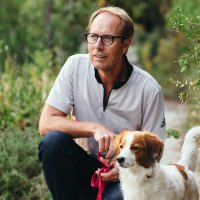
Tony Wyss-Corayv0.8.0
Wyss-Coray advanced the study of how blood, immune cells, and microbiome metabolites shape brain aging, while developing biological clocks to measure aging across organs and guide healthspan research.scientistentrepreneur
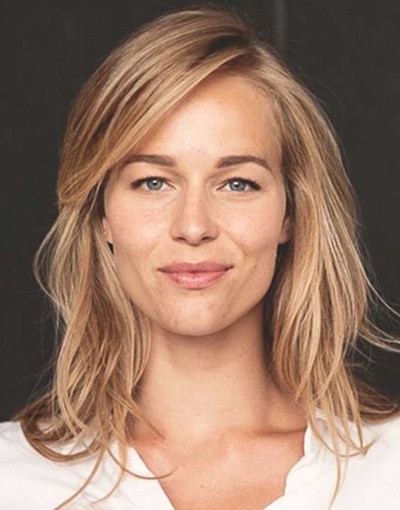
Daisy Robintonv0.8.0
Robinton co-founded Oviva to develop drugs that preserve ovarian function and extend women’s healthspan. Its lead program targets ovarian response, but clinical benefit has not been shown.entrepreneur
Emil Kendziorrav0.4.0
Kendziorra helped move biostasis from fringe talk into actual institutions and research roadmaps. The science is still speculative; the operator work is the real signal.entrepreneurscientistself-experimenter
Laura Niedernhoferv0.8.0
Laura Niedernhofer helped establish cellular senescence and senolytics as major lines of aging research. Her 445 works have drawn 32,722 citations, including three cited more than 2,300 times each.scientist
Gregory Fahyv0.8.0
Fahy reported early human evidence of partial thymic regeneration and identified cryopreservation as a key requirement for organ banking. The thymus result came from one informal case.scientistoperator
Kristen Fortneyv0.4.0
Fortney helped drag aging biology toward drug development: BioAge plus 50 papers, 1,614 citations, and work on aging biomarkers and drug networks. Not a miracle claim; a real translational footprint.entrepreneurscientist
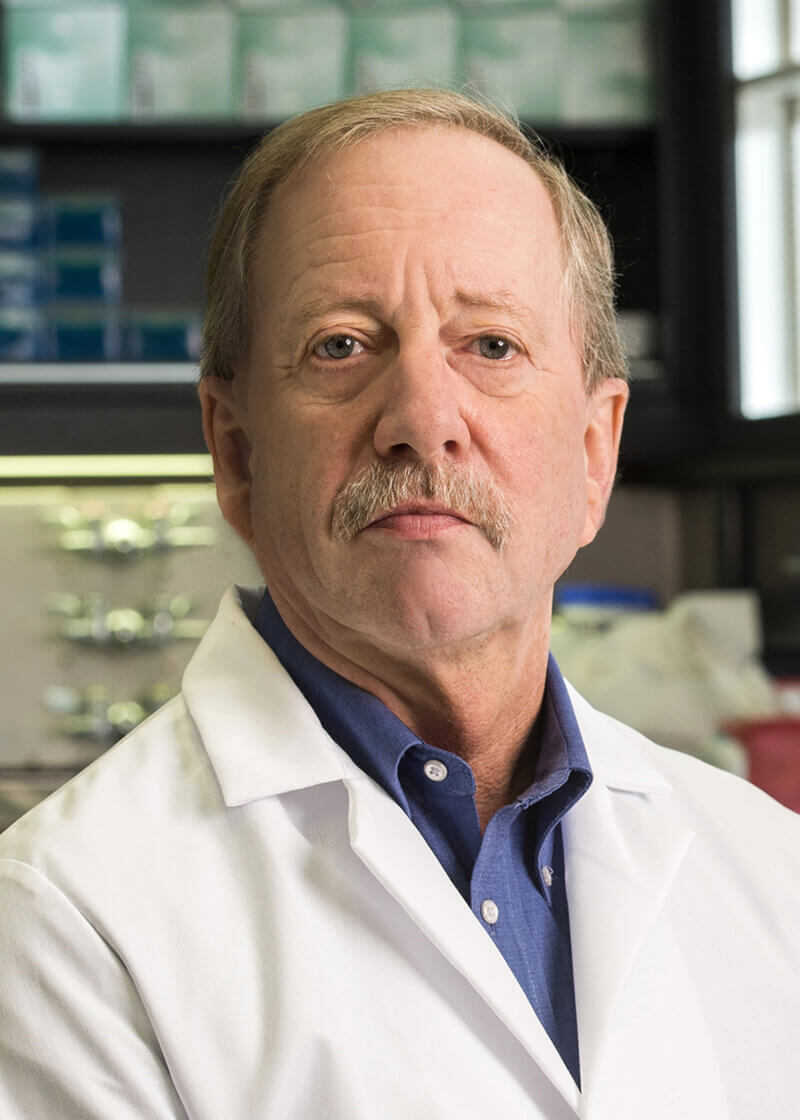
Steven Austadv0.8.0
Austad made comparative biology a major tool for aging research, using long-lived mammals to probe why species age differently. His 313 papers have drawn more than 16,000 citations.scientist
Andrei Seluanovv0.8.0
Seluanov helped link LINE1 transposable-element activity to age-related inflammation and traced naked-mole-rat cancer resistance to hyaluronan, a mechanism now being tested for therapeutic use.scientist

Luigi Ferrucciv0.4.0
Ferrucci helped make aging measurable: frailty, gait speed, inflammation, sarcopenia, and aging biomarkers became harder to hand-wave. Not immortality. Actual gerontology.scientistoperator
Mehmood Khanv0.8.0
Khan pushed geroscience toward clinical translation by calling for new funding models and helping convene the 2023 Global Healthspan Summit.philanthropistoperatorscientist

Jim Mellonv0.4.0
Mellon helped make longevity biotech legible as a company category, mainly through Juvenescence and field-definition papers. Scientific footprint: modest, not mythical.entrepreneurinvestorphilanthropist
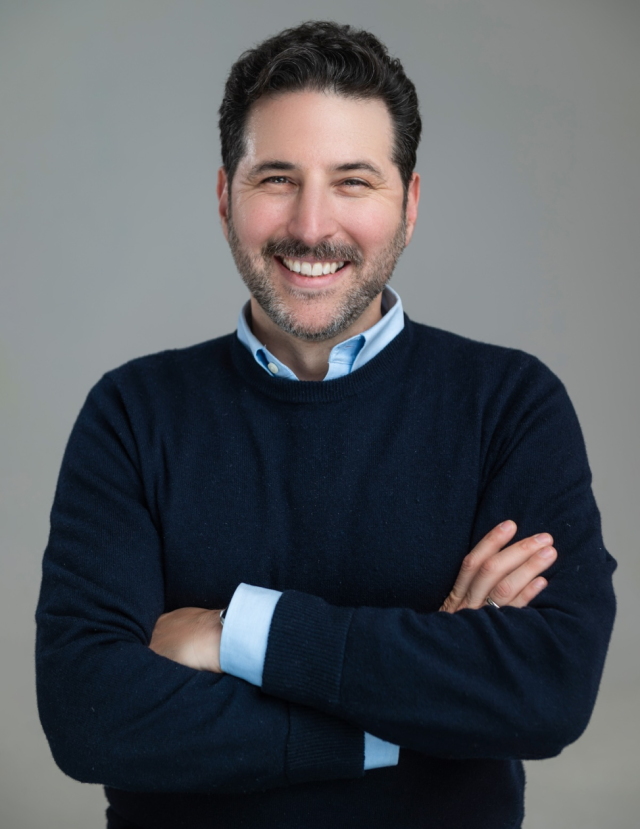
Daniel Belskyv0.8.0
Belsky helped make the pace of biological aging measurable through tools including DunedinPoAm and BioAge. His work has shaped a widely cited research agenda for testing aging interventions.scientist
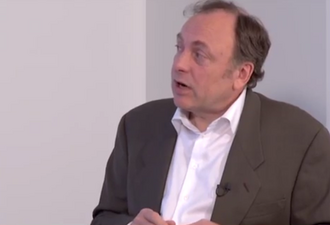
Michael D. Westv0.4.0
West helped drag longevity from supplement folklore toward cell biology: telomerase, cell immortality, cloning, and embryonic stem-cell derivatives. Human life-extension proof is not there.scientistentrepreneur

Anar Ismanv0.4.0
Isman’s impact is practical, not mythic: AgelessRx-linked studies put off-label rapamycin, LDN/NAD+, and QoL endpoints into real-world longevity data. Useful work; not field conquest.entrepreneurscientistinvestor
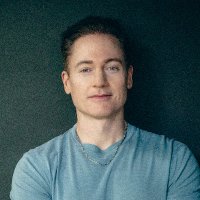
Bryan Johnsonv0.4.0
Johnson made longevity louder by turning his own protocol into media, a Don’t Die campaign, and an Rx platform. The hard evidence for field-building or scientific impact is thin.self-experimenterpopulariserentrepreneur
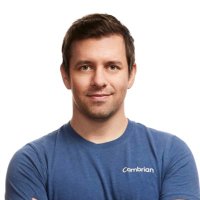
James Peyerv0.8.0
Peyer founded Cambrian Bio to turn aging biology into a portfolio of medicines. He also coauthored papers defining longevity biotech and proposing shared biomarker practices for trials.entrepreneurscientist

Kai Micah Millsv0.4.0
Mills has pushed longevity toward cryonics infrastructure, not wellness theater, by building Cryopets and CryoDAO and publicly framing death as a technical problem. Evidence is thin; this is movement-building, not proven impact yet.entrepreneurpopulariserinvestor
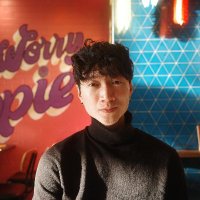
Nathan Chengv0.4.0
Cheng helped give longevity’s speculative edge an address: co-founding Longevity Biotech Fellowship and co-authoring a 2024 biostasis roadmap. The science is early; the agenda is concrete.populariserentrepreneurinvestor
David Sinclairv0.4.0
Sinclair helped push longevity toward testable aging biology, including work on sex- and tissue-specific gene expression in aging mice. The company-founder story is thinner, so don’t gild it.scientistentrepreneurpopulariser
Jennifer Garrisonv0.8.0
Garrison studies how brain-ovary communication shapes female reproductive aging, arguing that ovarian decline can affect health across the body. Her 46-paper portfolio has received 2,925 citations.scientist
Jean Hébertv0.4.0
Hébert gave brain aging a harder target than pills: progressive cell replacement. In mice, his FGF work also showed old hippocampal neurogenesis could be restored to young-adult levels.scientistentrepreneur
Joe Betts-LaCroixv0.8.0
Betts-LaCroix helped define longevity biotechnology and co-authored guidance for bringing aging biomarkers into clinical research. His five papers have received 198 citations.entrepreneurscientist
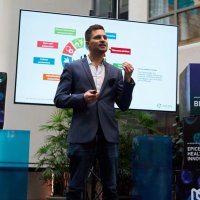
Linus Petersv0.4.0
Peters pushed longevity as a public-legitimacy problem: if aging is treated as inevitable, talent and money stay away. That is advocacy, not proof of field impact.popularisercommunicator
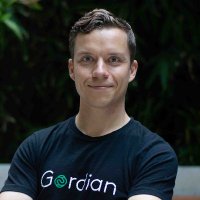
Martin Borch Jensenv0.4.0
Jensen helped make mitochondrial aging less hand-wavy: 76 works, 1,955 citations, and longevity org-building through Gordian and Norn. Real contribution, not life-extension magic.entrepreneurphilanthropistpopulariser

Sergey Youngv0.4.0
Sergey Young helped put investor attention into longevity through Longevity Vision Fund and field-definition work. The record shows visibility, not proof of big deployed capital.investorpopulariserphilanthropist
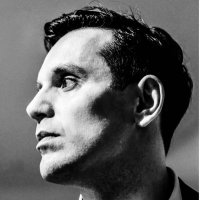
Christian Angermayerv0.6.0
Angermayer’s impact is publicity, not proven geroscience. He helped drag longevity-adjacent human enhancement into public markets, sports spectacle, and telehealth. Messy, but visible.entrepreneurinvestorself-experimenter
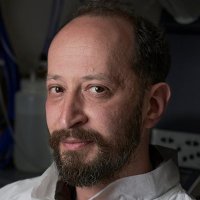
Peter Lidskyv0.4.0
Lidsky put a real thorn in aging theory: lifespan limits may be pathogen control, not just biological wear. Solid scientist, but the longevity impact is still mostly an idea, not a field shift.scientist
Kelsey Moodyv0.8.0
Moody co-authored research linking stronger SIRT6-driven DNA repair to longer-lived species. He also helped show that C60 in olive oil failed to extend mouse lifespan and became toxic under ambient light.entrepreneurscientist
Adam Griesv0.4.0
Gries has helped make longevity look like a founder market, not just a lab topic. The hard proof is still thin: mostly Vitalist Bay convening claims and public vitalist signal, not documented capital or science.populariserinvestor
Peter Diamandisv0.4.0
Diamandis helped push longevity toward AI-led health tracking and company-building, not lab-defining science. The evidence shows one aging-clock paper with 29 citations and thin disclosed capital.entrepreneurpopulariserinvestor
Phil Newmanv0.4.0
Phil Newman’s longevity impact is translation, not miracle-making: he built longevity media platforms and brings a modest scientific record, with h-index 19 and 1,438 citations.populariserentrepreneurcommunicator
Yuri Milnerv0.4.0
Milner is weakly linked to Altos Labs, making his visible longevity impact a reported bet on cellular reprogramming rather than a proven field record. Thin evidence, so no victory lap.philanthropistinvestorentrepreneur
Karl Pflegerv0.4.0
Pfleger helped make aging biotech more legible through AgingBiotech.info and coauthored a paper arguing that healthy life extension has far more public demand than sloppy surveys suggested.populariserinvestorphilanthropist
Omri Droryv0.4.0
Drory helped frame longevity as techbio infrastructure work, not wellness theater: measure biology better, then pursue reprogramming, regeneration, and replacement. Evidence is thin; call this a signal, not proven field impact.investorentrepreneurself-experimenter

Vitalik Buterinv0.4.0
The public record here does not prove a concrete longevity impact. At most, Buterin is weakly linked to longevity-adjacent funding, with no disclosed bets, gifts, or strategy.philanthropist

Derya Unutmazv0.4.0
Unutmaz’s longevity impact is real but narrow: he studies how immunity changes with age, from T-cell regulation to lifespan immune maps. No evidence here for field-building or capital deployment.scientistself-experimenter
Jeff Bezosv0.4.0
No usable evidence here shows Bezos changed longevity beyond a reported Altos Labs link. For a billionaire, that is a very thin public footprint, not a legacy.investor
Jerry McLaughlinv0.4.0
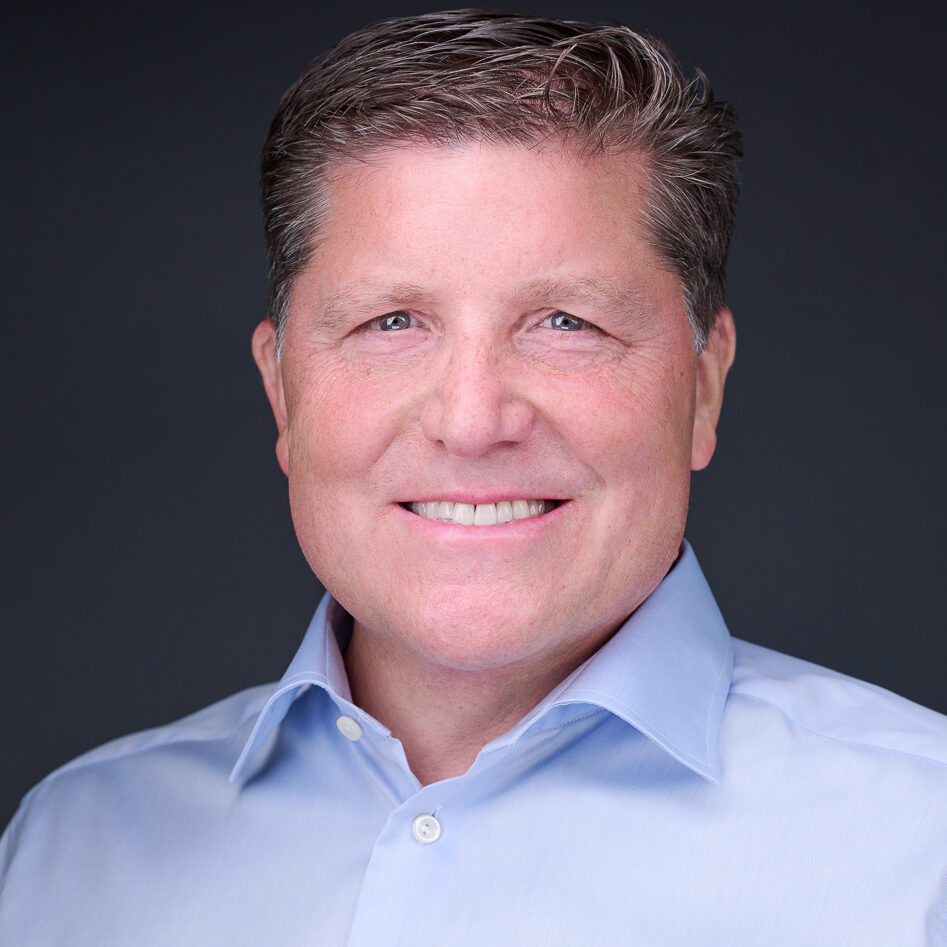
McLaughlin’s documented mark is narrow but real: he helped define what counts as a longevity biotech company. That is field-framing, not proof of major capital, invention, or heroic risk-taking.operatorscientist
Mikhail Batinv0.4.0
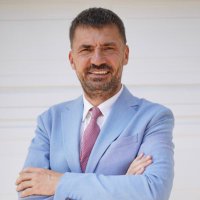
Batin helped make aging targets easier to inspect, mainly through Open Genes and AgeMeta. The citation signal is small, so this is infrastructure work, not a field-shaking discovery.populariserscientist
Demis Hassabisv0.4.0
Hassabis has not shown a public longevity portfolio here. The only supported signal is narrower: he links DeepMind-scale AI to disease work through Isomorphic Labs.
Ira S. Pastorv0.4.0
Pastor’s longevity footprint is thin: one rejuvenation-adjacent paper with 2 citations, plus broad science-media amplification. Useful signal, not field-building.communicatorscientist

Sharon Rosenzweig-Lipsonv0.4.0
Rosenzweig-Lipson helped test aged-rat memory rescue and OSK vision recovery in glaucomatous mice. Useful preclinical longevity-adjacent signal, not proof of human life extension. Science, not fairy dust.operatorscientist

Jacob Hannav0.4.0
Hanna’s supported longevity footprint is thin: stem-cell scientist, coauthor on a 2025 aging-biology workshop paper. That links him to the field, not to a proven life-extension program.scientistentrepreneur
Sam Altmanv0.4.0
No public longevity impact is supported here. The only cited paper is by Soya S Sam on an HIV assay, not Sam Altman, so crediting Altman would be spreadsheet cosplay.investorself-experimenter