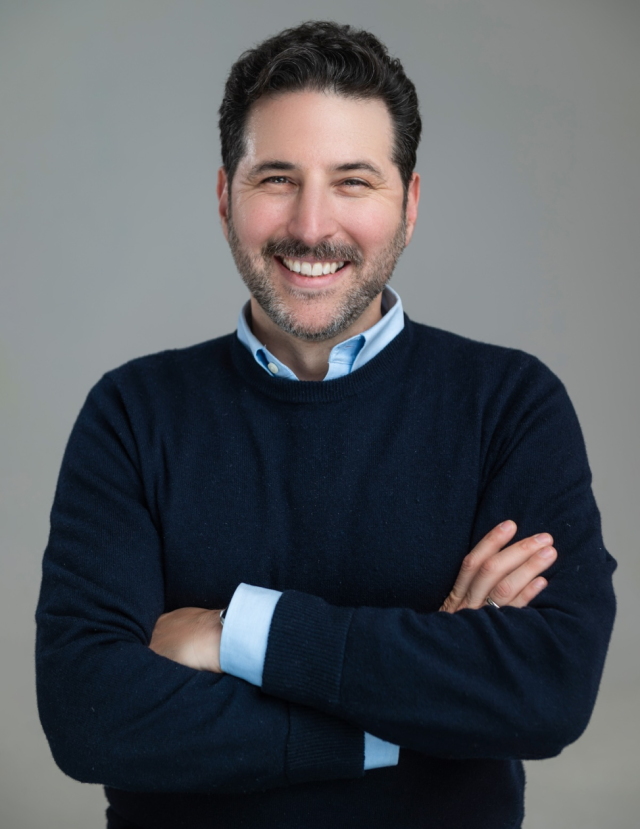
Daniel Belsky
Belsky helped make the pace of biological aging measurable through tools including DunedinPoAm and BioAge. His work has shaped a widely cited research agenda for testing aging interventions.
Profile
Associate Professor of Epidemiology at Columbia University whose research develops and validates measures of biological aging and studies how genes, environments, and interventions shape aging trajectories.
Role
scientisthigh confidence
Belsky is an author on peer-reviewed aging research that develops and evaluates biological-aging measures and interventions, including papers in Science Advances, npj aging, and Nature Medicine. This measurement science is the evidenced channel through which he advances longevity.
Dimension breakdown
This score rates longevity commitment only. The role tags above — scientist, investor, and the rest — say what this person is; we don't score those separately.
Future vision
3.0/ 10
Belsky articulates a credible research path centered on measuring biological aging, identifying upstream determinants, and evaluating modifiable processes and interventions. However, the evidence does not show a concrete, ambitious destination for ending aging, reversing biological decline, or materially extending healthy lifespan, nor a timeline or consistently endorsed theory of how that destination will be reached.
medium confidence
Scientific impact
9.0/ 10
Belsky demonstrates major, field-shaping scientific influence, with an h-index of 73 and 26,608 citations. His impact is especially strong in biological-aging measurement: foundational work on quantifying aging in young adults, DunedinPoAm, biomarker comparisons, and BioAge has accumulated hundreds to more than 1,000 citations per paper and helped establish a technical agenda around measuring the pace of aging.
high confidence
Capital deployed
N/A
The dimension is inapplicable on the supplied record. Structured facts identify zero investments and zero donations, while the cited evidence concerns research and scholarly impact rather than deployed capital.
No public evidence of investment, donation, or other capital-deployment activity; Belsky is represented here solely as an academic scientist.
high confidence
Strategic taste
6.0/ 10
Belsky’s sustained program of measuring aging longitudinally—especially quantifying biological aging in young adults and developing pace-of-aging biomarkers—shows a coherent scientific thesis that opened useful paths for studying causes and interventions before late-life disease emerges. Strong citation uptake supports field relevance, but the evidence does not establish that these choices were unusually contrarian, uniquely early, or counterfactually decisive.
medium confidence
Field creation
1.0/ 10
The dimension is applicable, but the supplied evidence does not show that Belsky founded an organization, program, community, coalition, funding path, or other field-building infrastructure. The cited work demonstrates participation in collaborative aging research, including methodological harmonization and an interactive research portal, but does not establish that he created or led either initiative.
medium confidence
Bravery and conviction
0.0/ 10
The evidence establishes substantial scientific productivity in aging research but does not document public risk-taking, contrarian advocacy, career sacrifice, sustained conviction under criticism, a personally consequential bet, or self-experimentation.
low confidence
Multiplier effect
7.0/ 10
Belsky demonstrates substantial scholarly multiplier effects: his biological-aging measures and related research have generated extensive citation uptake and enabled broad, multi-institutional follow-on work. The evidence supports strong influence on collaborators and subsequent research, but not comparable leverage through organizations, capital, policy, founder formation, or public movements.
medium confidence
Vision
Destination
No canonical quotes yet.
Path
We propose a measurement framework and describe how it will contribute to achieving the shared goals of medicine and public health.
Strategy
Belsky’s documented work focuses on developing and validating measures of biological aging [S1]. It also examines how genes, environments, and interventions shape aging trajectories [S1]. No investments, donations, or founded organizations were identified [S1]. The evidence therefore does not support conclusions about preferred stages, risk appetite, geography, time horizon, notable bets, or collaborators [S1]. His broader strategy beyond academic population-aging research remains unknown [S1].
UnknownUnknownBiological Aging MeasurementAging TrajectoriesGenetic InfluencesEnvironmental InfluencesIntervention Effects
Portfolio
Investments
No public rows yet.
Donations
No public rows yet.
Organizations founded
No public rows yet.
Scientific output
h-index73
Citations-
Papers26
Trials0
Connections
Companies
Collaborators and lineage
No public rows yet.
Criticisms