Live·Verified funding discovery · 2026.2
874 grants · 19 open · 435 companies · 2640 concepts874 / 19 / 435 / 2640
COMPANIESCompanies rated · 435 (no change)PROJECTSProjects rated · 70 (no change)CATALOGUE874 grants in catalogue · 19 open right nowPOWERED BYOpen Longevity · 501(c)(3) · Sherman Oaks, CACOMPANIESCompanies rated · 435 (no change)PROJECTSProjects rated · 70 (no change)CATALOGUE874 grants in catalogue · 19 open right nowPOWERED BYOpen Longevity · 501(c)(3) · Sherman Oaks, CA
← Back to projectsResearch & Funding Infrastructure

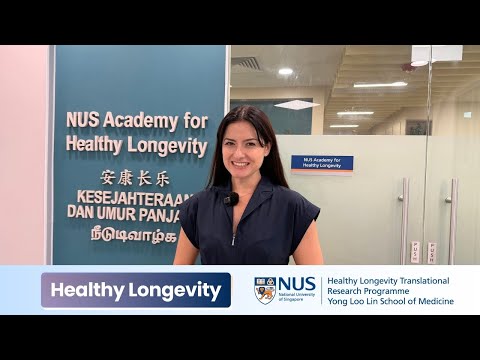
NUS Academy for Healthy Longevity

Research & Funding InfrastructureLast rated 5/25/2026UniversityCanonical source ↗

The NUS Academy for Healthy Longevity appears to be a Singapore-based precision-geromedicine hub at NUS that combines clinical-trial infrastructure, biomarker-oriented research, education, and public-facing convening around healthy longevity. The strongest direct evidence is not intervention efficacy but organizational build-out: a clinical trial centre opened in 2025, multiple recruitment-stage or feasibility studies are described, and peer-reviewed outputs include a conceptual framework (HELO), a Singapore population survey on healthy-longevity knowledge and interest, and adjacent aging-biomarker studies. Most claims about impact, personalization, and biological-age reduction remain promotional, early-stage, or non-comparative rather than validated in robust human outcome trials.

Source coverage

17 sources searched, 134 evidence rows (109 with full text)
Team project0Project page1Project page crawl0PubMed0Semantic Scholar0OpenAlex5arXiv0bioRxiv0Web search19News18YouTube16Wikipedia16GitHub0Author publications0Organization records0Patents (project-held)0Patents (field corridor)14
Non-commercial entity

This project is run by a university research project. Any funding here takes the form of a grant, donation, or public contract — not equity. There is no financial return expected.It is an NUS-affiliated academy based at the National University of Singapore, making it part of a university rather than an independent company or institute.

Scientific

Mechanism and evidence quality

55.2

Breakthrough

How much success could unlock

51.3

Investor

Deal-quality signals

57.3

Overall

Weighted composite

55.0

Where this project sits

Positioned against every public project across all sections

0255075100048121620LIFESPAN GAIN (YEARS, ESTIMATED)OVERALL SCOREmax in DB: 15 yrNUS Academy for Healthy Longevity
BioreplacementBioinformationDrug & Molecule DiscoveryGenetic & Cellular TherapiesAging Biology ResearchDiagnostics & BiomarkersBrain & Cognitive LongevityResearch & Funding Infrastructure
Inner ring · capital to breakeven  ·  Outer ring · best-case upside multiple

Comprehensive brief

Hypothesis

If aging biology can be measured well enough in humans, then biomarker-guided combinations of lifestyle changes, supplements, and possibly repurposed drugs can improve healthspan-related function and reduce age-related decline more effectively than standard disease-by-disease care.

Mechanism

The project's stated mechanism is precision geromedicine: use gerodiagnostics such as biological-age clocks, multi-omics, microbiome, functional testing, and other clinical measures to identify aging-related deficits, then tailor multimodal interventions targeting muscle, cognitive, immune, and broader healthspan outcomes.

Approach

The academy is pursuing this through a clinical trial centre, small human studies such as PROMETHEUS and CEDIRA, survey and framework work on public readiness for Healthy Longevity Medicine, clinician and talent-training programs, and partnerships with industry and external institutions. The intervention style described is notably complex and multimodal, which may be practical but also makes causal attribution harder.

Status

Operational but early. Evidence supports that the academy launched in 2023, opened a dedicated clinical trial centre in October 2025, is running or recruiting for several studies, and has produced peer-reviewed conceptual, survey, review, and adjacent observational biomarker papers. The evidence provided does not show convincing human trial results for the academy's main intervention claims yet.

Success criteria

The project would look validated if it can show, in independent and preferably randomized human trials, durable improvements in meaningful outcomes such as muscle, cognitive, and immune function, alongside well-calibrated biomarker changes that predict real health benefit. Secondary markers of success would include validated Asian-population biological-age tools, reproducible clinical protocols, and education programs that translate into competent evidence-based practice rather than hype.

Near-term impact (1-3 yrs)

In the next 1-3 years, validation would make it plausible to deploy evidence-backed biomarker-guided prevention clinics, larger controlled trials of multimodal healthy-longevity programs, more credible clinician training pathways, and population-tailored biological-age assessment tools for Singapore and similar Asian settings. It could also help separate higher-signal interventions from weak or over-marketed supplement and repurposed-drug claims.

Future horizons (5-20 yrs)

If the model truly works, it could open a new clinical layer between wellness and conventional disease care: longitudinal healthspan management using biomarkers, adaptive multimodal interventions, and standardized healthy-longevity training, regulation, and accreditation. Longer term, it could push new subfields around Asian-specific aging clocks, prevention-focused gerotherapeutic trials, multimodal N-of-1 and cohort-guided care models, and health-system integration of aging biology into mainstream medicine.

Breakthrough thesis

The academy could become a credible bridge from geroscience to routine care by combining measurement, trials, education, and Singapore-specific implementation into a practical precision-geromedicine model that is more rigorous than the usual longevity-clinic market.

Failure thesis

The project could stall as a well-branded but weakly validated platform if biomarker-guided personalization does not translate into robust human benefit, if single-arm multimodal studies remain too confounded to interpret, or if supplement- and partnership-driven narratives outpace regulation and evidence.

Risk of failure

Technical79

The core intervention thesis remains technically unproven. The strongest direct project evidence is an 8-week, single-arm feasibility study with only 20 participants using a highly multimodal and adaptive package of sleep, diet, exercise, coaching, and multiple supplements, which makes causal attribution difficult even if signals are positive. The academy has built real trial infrastructure and is running studies, but the provided evidence does not show robust human outcome data demonstrating that its precision-geromedicine stack reliably improves muscle, cognitive, or immune function at scale.

Translational72

This is not a pure animal-to-human translation story because the academy is already in human studies, which lowers classic preclinical translation risk. However, cohort generalization risk is still substantial: the flagship PROMETHEUS study is a small feasibility study in adults aged 50-80, and other cited outputs are a conceptual framework and a Singapore population survey rather than efficacy trials. The current evidence base is therefore early, local, and not yet enough to show that results would generalize across populations, settings, or longer follow-up windows.

Regulatory / jurisdictional64

Regulatory risk is moderate to high rather than extreme. The academy appears to be operating through an academic clinical-trial center, which is a safer path than launching a novel therapeutic product immediately. But the field it is trying to translate sits in a gray zone around supplements, repurposed drugs, biomarkers, and longevity-clinic claims. Singapore's Health Sciences Authority is still reviewing the regulatory framework for complementary health products through mid-2028, and the cited reporting explicitly notes that the market lacks universally agreed ageing biomarkers and that supplements cannot claim to prevent or cure disease. That leaves real pathway uncertainty for commercialization and clinical standardization.

Competitive dynamics67

The academy has some defensible position through NUS affiliation, a clinical trial center, education programs, and visible convening power. But competitive pressure is meaningful. The project is one of 100 XPRIZE Healthspan semifinalist teams rather than a clearly dominant outlier, and Singapore's longevity ecosystem is visibly getting more crowded across clinics, private hubs, and industry players. Its multimodal precision-geromedicine approach also competes in a field where many others can make similar personalization claims, so differentiation will likely depend on producing stronger evidence faster than rivals.

Team / operational38

Operational risk looks lower than the scientific risk. The academy has identifiable leadership, a staffed team, a dedicated clinical trial center, signed collaborations, and active programs spanning research and education. The main concern is some concentration around a small set of prominent leaders and the fact that the organization is still young, but the evidence supports genuine institutional build-out rather than a loose promotional effort.

Funding / capital52

Capital risk appears moderate. This is not yet a capital-intensive therapeutic development program with long GMP/manufacturing timelines; much of the current work is clinical infrastructure, trials, education, and partnerships. That said, sustaining a trial center, running longitudinal human studies, and building evidence strong enough to differentiate from the broader longevity market will still require ongoing institutional and partner support. The evidence shows external partnerships and some ecosystem validation, but not a clearly demonstrated durable funding base.

Scientific panel

Mechanism plausibility63

The central idea, precision geromedicine using biological-age measures plus lifestyle, supplements, and selected drugs, is biologically plausible but still clinically undervalidated. Project evidence describes targeting ageing-related processes and measuring biological age, muscle, cognition, and immune function, and adjacent studies link epigenetic age to depression, oral microbiome features, physical activity, and sarcopenia-related mechanisms. However, those links are mostly associative or preclinical, not proof that this academy's personalized multimodal protocols causally slow ageing or improve durable healthspan.

Evidence base54

The evidence base is credible for field-building and measurement, weaker for intervention efficacy. The academy has peer-reviewed conceptual and survey work, including a Singapore HELO survey with 3034 participants, plus adjacent observational biomarker papers and field-level systematic review evidence on physical activity and DNA methylation clocks. But the provided evidence does not include completed randomized human outcomes for the academy's main precision-geromedicine intervention claims; PROMETHEUS is described as a 20-person, 8-week feasibility study.

Methodological rigor42

Rigor is mixed. The HELO survey used a nationwide cross-sectional design and regression analysis, and PROMETHEUS specifies primary and secondary outcomes. But the main intervention study described is small, short, single-arm, and highly multimodal, making placebo effects, regression to the mean, training effects, and causal attribution hard to separate. The evidence provided does not show preregistration, randomization, blinding, power calculations, or independent adjudication for the academy's core clinical claims.

Reproducibility34

There is some reproducibility at the broader biomarker/ageing-field level, but little direct reproducibility for this project's intervention model. The academy has multiple studies and adjacent papers, yet no provided evidence of independent replication of PROMETHEUS-like personalized multimodal protocols or repeated academy trials showing consistent effects. The single-arm feasibility design is explicitly positioned to guide a later 12-month trial rather than as reproduced efficacy evidence.

Novelty66

The individual components are not especially novel: exercise, diet, sleep, supplements, biological-age clocks, and repurposed-drug concepts are all active areas. The novelty is more in integration: building a Singapore/NUS clinical trial centre, education pipeline, public-readiness framework, and precision-geromedicine implementation hub around Asian-population needs. That is differentiated from generic longevity clinics, but not a fundamentally new biological mechanism.

Falsifiability70

The project is reasonably falsifiable because its studies name measurable outcomes: immune function, cognition, muscle strength, biological age, feasibility, sleep/activity patterns, and XPRIZE-style restoration of muscle, cognitive, and immune function. The weakness is that multimodal personalization can make negative or mixed results easier to reinterpret unless future trials pre-specify protocols, comparators, and decision rules. Still, the stated 8-week feasibility and planned 12-month trial framework create testable predictions.

Breakthrough panel

Mechanism novelty44

The mechanism is a credible recombination of geroscience, biological-age measurement, lifestyle, supplements, and possible repurposed drugs, but it is not a clearly new aging mechanism. The academy frames this as precision geromedicine and targeting aging itself, yet the named PROMETHEUS intervention is a multimodal package of sleep, diet, supervised exercise, coaching, and supplements, which makes it more an integrated clinical implementation model than a novel biological mechanism.

Effect size+1.5 yr lifespan34

The upside is meaningful if multimodal precision geromedicine can reproducibly improve muscle, immune, and cognitive function, but current project-specific evidence is early and mostly infrastructural, conceptual, or feasibility-stage. PROMETHEUS is only an 8-week, single-arm feasibility study with 20 participants, so causal attribution and durable effect size are weak. I estimate 1.5 years of aggregate healthspan/lifespan gain if the platform succeeds, anchored low because this is mainly lifestyle, nutraceutical, and care-model optimization rather than a direct rejuvenation therapy.

Cross-domain impact55

Near-term impact extends beyond a single trial: the academy is building clinical-trial infrastructure, education programs, public-readiness research, industry partnerships, and regulatory convening around geromedicine. That can affect clinical training, supplement evaluation, public health strategy, and standards for longevity clinics. The skeptical discount is that these are mostly ecosystem and translation signals, not yet validated patient-outcome changes.

Future opening potential66

If successful, this could open a practical clinical layer for biomarker-guided healthspan management, Asian-population biological-age validation, geromedicine education, and standardized longevity-clinic protocols. The academy has evidence of leadership, partnerships, a trial centre, and Singapore-specific public-readiness work. The limiting factor is that the intervention model remains confounded and may fail to separate real gerotherapeutic effects from general wellness optimization.

Time horizon~2 yr63

First demonstrable results are plausibly close because the centre is operational and PROMETHEUS is a short feasibility study with recruitment marked completed, with a planned 12-month XPRIZE-related follow-on. However, robust randomized evidence on durable healthspan benefit is farther away, and current evidence does not yet show convincing completed human efficacy results.

Paradigm shift signal57

The paradigm-shift claim is real but still mostly aspirational: moving medicine from treating individual age-related diseases to measuring and targeting aging biology would challenge conventional disease-by-disease care. The academy’s own materials and Singapore precision-geromedicine review support that framing. The score is moderated because the provided evidence does not yet prove that biological-age-guided personalization produces superior clinical outcomes.

Investor panel

Most attractive
Team execution capacity (78)

The team has unusually strong execution evidence for an academic platform: Andrea Maier is described by the academy as having 490+ peer-reviewed publications, major cohort and clinical-trial leadership, and global advisory roles; Hans Meij has senior healthcare and academic-network experience; the academy has opened a clinical trial centre, launched education programs, convened conferences, and published project-authored frameworks/surveys. This is strong for research and convening, but less proven for commercial product launches.

Most concerning
Exit landscape (25)

The fetched evidence shows partnerships, conferences, clinical trials, and a maturing longevity ecosystem, but it does not provide verifiable M&A, licensing, or option comparables for similar precision-geromedicine clinical infrastructure. Exit potential is therefore speculative and likely tied to services, sponsored research, clinic networks, education, or spinouts rather than a straightforward therapeutic acquisition.

Addressable market$50B72

Large problem pull: NUS-authored review says ageing-related diseases accounted for 80% of Singapore's disease burden in 2019, while project posts cite Singapore moving toward 1 in 4 residents aged 65+ by 2030 and roughly a 10-year healthspan-lifespan gap. However, the evidence does not provide a paid-market sizing for precision geromedicine clinics, supplements, or trial services, so the score is discounted. TAM estimate uses a conservative global healthy-longevity clinical services, nutraceutical validation, and education opportunity rather than a drug-scale biotech TAM.

Defensibility45

Defensibility is mostly institutional know-how, Singapore clinical infrastructure, partner network, and potential proprietary longitudinal biomarker data. The evidence does not show project-owned patents, exclusive assets, validated algorithms, or locked-up IP around the core interventions. PROMETHEUS uses generally available lifestyle, exercise, supplements, and possible repurposed-drug strategies, which are hard to protect.

Team execution capacity78

The team has unusually strong execution evidence for an academic platform: Andrea Maier is described by the academy as having 490+ peer-reviewed publications, major cohort and clinical-trial leadership, and global advisory roles; Hans Meij has senior healthcare and academic-network experience; the academy has opened a clinical trial centre, launched education programs, convened conferences, and published project-authored frameworks/surveys. This is strong for research and convening, but less proven for commercial product launches.

Founder skin in the game42

There is meaningful reputational skin: the co-founders publicly attach their names to a high-profile NUS academy, conferences, clinical trial centre, and media interviews in a field vulnerable to hype. But the evidence does not show personal capital at risk, below-market compensation, founder equity tradeoffs, or a startup-style personal financial commitment.

Customer validation signal66

There is credible demand signal: PROMETHEUS recruitment is listed as completed; the centre is working with Abbott Nutrition, Danone, Haleon, L'Oreal and others; IQVIA signed an MoU with NUS-AHL; NUS won US$250k as an XPRIZE Healthspan semifinalist; and the Singapore HELO survey found 55.5% interest in HLM clinics. Still, this is mostly partnerships, grants/prizes, education interest, and study participation, not paying clinical customers or regulated product adoption.

Burn to breakeven$15M61

Compared with a therapeutics company, this platform can generate value through sponsored trials, education, grants, conferences, and partnerships without funding full FDA Phase 1-3 development. But it still needs a clinical facility, staff, assays, longitudinal data collection, and repeated human studies before self-sustaining revenue is plausible. Estimate $15M to self-sustaining, anchored closer to bioinformatics/services than biotech because the current evidence is infrastructure and clinical-service oriented.

Time to value18 mo70

Near-term value can arrive through study readouts, education revenue, sponsored research, and XPRIZE milestones. PROMETHEUS is an 8-week feasibility study intended to guide a 12-month trial, and the clinical trial centre is already open. That is faster than drug development, but definitive clinical validation of precision geromedicine remains likely multi-year.

Regulatory pathway clarity42

Regulatory clarity is mixed. Singapore's HSA is actively reviewing complementary health product rules and expects regulations by mid-2028, which may improve the pathway, but current supplement rules limit disease prevention or cure claims and the article notes lack of universally agreed ageing biomarkers. For a multimodal aging intervention, the route is much less clear than a single-indication drug or standard device.

Competitive freedom47

The academy has differentiation through NUS, Singapore positioning, a dedicated clinical trial centre, and an education-plus-trials model. But competitive freedom is constrained: evidence points to many longevity clinics, global XPRIZE teams, large industry partners active in longevity products, and extensive field IP around muscle regeneration, biomarkers, supplements, microbiome, and gerotherapeutics. Room to win exists as a standards-and-validation hub, not through exclusivity.

Asymmetric upside10×63

The upside is meaningful if NUS becomes the trusted validation, training, and clinical-translation layer for precision geromedicine in Asia and helps define regulated standards. It is not scored like a biotech platform because no protected therapeutic asset or pivotal human outcome data is shown. Best-case multiple uses a 10x research-tool/services and platform-infrastructure anchor rather than 100x biotech.

Exit landscape25

The fetched evidence shows partnerships, conferences, clinical trials, and a maturing longevity ecosystem, but it does not provide verifiable M&A, licensing, or option comparables for similar precision-geromedicine clinical infrastructure. Exit potential is therefore speculative and likely tied to services, sponsored research, clinic networks, education, or spinouts rather than a straightforward therapeutic acquisition.

Cost to commercialize$25M58

Capital intensity is moderate. A 350 sq m clinical trial centre, DEXA and other measurement equipment, staff, assays, and longitudinal trials are not cheap, but the current model does not require full-scale drug manufacturing or pivotal Phase 3 commercialization. Estimate $25M to first commercial-grade offering, such as validated protocols, sponsored trial services, or accredited education plus clinic standards.

Authors

No authors resolved yet.

Scientific theories

Multimodal precision geromedicine personalizationPrimarymanual entrymedium

The project’s stated mechanism is that aging and healthspan-relevant decline can be more effectively modified through a multimodal precision geromedicine intervention tailored to the individual, rather than through a uniform one-size-fits-all approach. The causal claim is that combining multiple intervention modalities with personalization should better match each person’s biological aging profile, risks, and needs, thereby improving healthspan-related outcomes compared with generic interventions. Testable predictions include: individuals receiving personalized multimodal geromedicine interventions will show greater improvements in validated aging or healthspan biomarkers than individuals receiving standardized protocols; personalization variables will predict differential response to intervention components; and adaptive, individualized intervention plans will outperform fixed plans on age-related functional or disease-risk outcomes.

Popperian evaluation
Premise plausibility7.0/10

The starting premises are biologically credible: aging is multidimensional, individuals vary in risk profiles and biological states, and multimodal interventions could plausibly address heterogeneous mechanisms better than a uniform protocol. The weaker premise is that current measurements of biological aging and healthspan-relevant risk are accurate and actionable enough to reliably guide individualized intervention selection.

Supporting
  • The theory explicitly recognizes inter-individual heterogeneity in biological aging profiles, risks, and intervention needs.
  • The proposed mechanism is consistent with the broad idea that multiple aging-relevant pathways may require multiple intervention modalities.
  • The evidence context assigns high confidence to meaningful individual differences and medium confidence to multimodal and measurement-based premises.
Counter
  • No publications, empirical trials, or dossier quotes are provided to show that measured aging profiles can currently guide intervention choice with sufficient accuracy.
  • The theory could overestimate the maturity and clinical validity of aging biomarkers for personalization.
Explanatory power5.0/10

The theory offers a coherent explanation for why personalized multimodal interventions might outperform generic protocols, but the provided evidence does not show that it explains observed outcomes better than simpler alternatives such as higher treatment intensity, better adherence, closer monitoring, placebo effects, regression to the mean, or generic lifestyle optimization.

Supporting
  • The causal chain links heterogeneity, measurable profiles, intervention matching, and improved healthspan outcomes in a logically coherent way.
  • The theory can explain differential response to intervention components if personalization variables predict outcomes.
Counter
  • No observed results are provided for the theory to explain.
  • Alternative explanations for improved outcomes are not ruled out, including greater attention, more intensive care, or nonspecific benefits of combining interventions.
  • The evidence context contains predictions and assumptions but no comparative empirical evidence.
Falsifiability8.0/10

The theory is substantially falsifiable because it makes comparative predictions: personalized multimodal plans should outperform standardized protocols, personalization variables should predict differential response, and adaptive plans should outperform fixed plans. These claims could be tested in randomized controlled trials or adaptive trial designs and could be proven wrong if personalized arms fail to improve validated biomarkers or functional outcomes beyond controls.

Supporting
  • The theory specifies comparator conditions: personalized multimodal interventions versus standardized protocols, and adaptive individualized plans versus fixed plans.
  • It names measurable outcome classes, including validated aging or healthspan biomarkers, functional outcomes, and disease-risk outcomes.
  • It predicts interaction effects between personalization variables and response to specific intervention components.
Counter
  • The predictions remain broad unless specific biomarkers, intervention components, time horizons, and clinically meaningful effect sizes are pre-specified.
  • If failures are explained away as poor measurement or poor implementation rather than evidence against the mechanism, falsifiability would weaken.
Ambition8.0/10

The theory is ambitious because it targets the hard problem of modifying aging- and healthspan-relevant decline through individualized, adaptive, multimodal intervention rather than a uniform protocol. It is not wholly novel, since precision medicine and multimodal prevention are established concepts, but applying them as an integrated geromedicine personalization framework is a bold and difficult mechanism.

Supporting
  • The theory addresses healthspan modification, a central unsolved problem in aging biology and medicine.
  • It proposes a broad mechanism involving multimodal intervention selection, individual biological profiling, and adaptive optimization.
  • The predictions extend beyond biomarker shifts to functional and disease-risk outcomes.
Counter
  • The mechanism is an integration of existing precision medicine and multimodal intervention ideas rather than a sharply novel biological hypothesis.
  • The claim may be too programmatic unless tied to specific aging mechanisms, biomarkers, and intervention decision rules.
Foundational alignment
thermodynamics · aligned (7)network theory · aligned (8)evolution · tension (4)cybernetics · aligned (7)disease etiology · aligned (8)
Theory rollup
Premise plausibility7.0/10

The starting premises are biologically credible: aging is multidimensional, individuals vary in risk profiles and biological states, and multimodal interventions could plausibly address heterogeneous mechanisms better than a uniform protocol. The weaker premise is that current measurements of biological aging and healthspan-relevant risk are accurate and actionable enough to reliably guide individualized intervention selection.

Explanatory power5.0/10

The theory offers a coherent explanation for why personalized multimodal interventions might outperform generic protocols, but the provided evidence does not show that it explains observed outcomes better than simpler alternatives such as higher treatment intensity, better adherence, closer monitoring, placebo effects, regression to the mean, or generic lifestyle optimization.

Falsifiability8.0/10

The theory is substantially falsifiable because it makes comparative predictions: personalized multimodal plans should outperform standardized protocols, personalization variables should predict differential response, and adaptive plans should outperform fixed plans. These claims could be tested in randomized controlled trials or adaptive trial designs and could be proven wrong if personalized arms fail to improve validated biomarkers or functional outcomes beyond controls.

Ambition8.0/10

The theory is ambitious because it targets the hard problem of modifying aging- and healthspan-relevant decline through individualized, adaptive, multimodal intervention rather than a uniform protocol. It is not wholly novel, since precision medicine and multimodal prevention are established concepts, but applying them as an integrated geromedicine personalization framework is a bold and difficult mechanism.

Videos

Navigating Parenthood: Myths vs Science – Growing Confidence
low signal
1:02:40141 views3 likes0 commentsnot applicableField context

Video summary pending.

Ageing, Senescence and the Kidney | Dr David Ferenbach - YouTube
moderate
1:04:273,347 views81 likes11 commentsnot applicableField context

Video summary pending.

Young Blood for Old Brains | Prof Tony Wyss-Coray - YouTube
moderate
1:05:051,801 views53 likes2 commentsnot applicableField context

Video summary pending.

Ageing, Alzheimer's disease, and Artificial Intelligence - YouTube
moderate
1:05:021,597 views42 likes5 commentsnot applicableField context

Video summary pending.

Can We Lower Our Biological Age? with Dr. Andrea Maier - YouTube
low signal
1:13:12685 views12 likes0 commentsnot applicableField context

Video summary pending.

Preventing Cognitive Impairment and Dementia - YouTube
moderate
1:01:461,628 views28 likes1 commentsnot applicableField context

Video summary pending.

Physical and Cognitive Motor Training for Optimal Health ... - YouTube
low signal
1:03:55865 views18 likes1 commentsnot applicableField context

Video summary pending.

Meet Our PIs: Interview with Assistant Prof Vivien Wu (Part 1)
low signal
8:38251 views14 likes0 commentsnot applicableField context

Video summary pending.

Neurotrophin Receptors & Plasticity in Ageing and Neurodegeneration
low signal
53:12347 views14 likes1 commentsnot applicableField context

Video summary pending.

Ageing Biology: From Mechanisms to Clinic and the Society - YouTube
low signal
1:02:18482 views17 likes1 commentsnot applicableField context

Video summary pending.

Dr Ajla Hodzic Kuerec | Healthy Longevity Webinar Series - YouTube
low signal
5:1097 views2 likes0 commentsnot applicableField context

Video summary pending.

Advancing the future of ageing | Age Reimagined | BBC StoryWorks
unwatched
6:5438 views3 likesnot applicableField context

Video summary pending.

CNA finds out how healthy longevity medicine is changing ageing in Singapore
moderatefavorable
5:334,813 views39 likes5 commentsreadyField context

This CNA segment presents the NUS Academy for Healthy Longevity as a Singapore-based center advancing healthy-longevity medicine through public education, biomarker-focused assessments, and preventive care. It highlights a national survey on awareness of healthy longevity, reporting interest in the concept but uneven follow-through on healthy behaviors, especially among younger adults. The video showcases clinic-style measurements such as body composition, skin AGEs, and hand-grip strength as tools for tracking aging-related risk and guiding early intervention. Overall, the piece frames the Academy as part of an emerging precision-longevity ecosystem, while stopping short of showing robust evidence for improved long-term health outcomes.

Key takeaways
  • The Academy is portrayed as a leading Singapore hub for healthy-longevity medicine and public engagement.
  • The segment emphasizes a national awareness study on healthspan, healthy-aging behaviors, and barriers such as ageism.
  • Biomarker-style assessments featured include skeletal muscle mass, skin advanced glycation end products, and hand-grip strength.
  • The report suggests older adults are more likely than younger adults to follow through on exercise, diet, and regular health checks.
  • Intervention framing is preventive and personalized, but the evidence shown centers more on monitoring and awareness than validated outcome improvements.
Geromedicine大会要把“抗衰”变成临床方案?5大看点和参会建议 ...
unwatched
4:095 views0 likes0 commentsunavailableField context

Transcript unavailable.

Do Longevity Supplements Really Work?
low signalmixed
1:09:46292 views14 likes6 commentsreadyField context

This video presents the NUS Academy for Healthy Longevity as an evidence-oriented, biomarker-focused hub studying supplements, sleep, wearables, and functional-aging markers rather than endorsing broad consumer anti-aging claims. The speaker repeatedly emphasizes that most supplement evidence is limited, population-specific, or early-stage, while describing NUS-linked randomized trials, quality-control studies, and public education efforts around healthy longevity. Supplements such as multivitamins, curcumin, melatonin, alpha-ketoglutarate, spermidine, and NMN are framed as potentially useful only in specific contexts and ideally with biomarker-guided personalization. Overall, the project is portrayed positively as a rigorous evaluator of interventions, but the discussion also makes clear that strong clinical outcome validation is still lacking for many of the highlighted approaches.

Key takeaways
  • The video frames NUS as a serious clinical-translational longevity program running human studies and quality-control work, especially around supplements and biomarker-guided care.
  • Most supplement claims are treated cautiously: evidence is described as modest, context-dependent, and stronger for specific deficiencies, metabolic conditions, circadian disruption, or targeted subgroups than for healthy adults generally.
  • A major theme is poor supplement quality control, including reported label-content mismatch in products such as NMN and urolithin A, reinforcing the need for regulation and verification.
  • The speakers strongly advocate individualized prescribing based on biomarkers, functional tests, and monitoring rather than universal supplement use.
  • Wearables, grip strength, sit-to-stand, and timed up-and-go are promoted as scalable aging-related markers, but the video does not show robust proof that using them improves hard longevity outcomes.
Are supplements the key to unlocking healthy longevity?
low signalfavorable
16:50991 views37 likes1 commentsreadyField context

This video presents the NUS Academy for Healthy Lonity as a Singapore-based convener in the supplements and healthy-longevity space, emphasizing education, regulation, and evidence-building rather than claiming proven intervention outcomes. The discussion treats supplements such as NMN as potentially biologically active, but repeatedly stresses that long-term human safety, dosing, and efficacy data remain limited. Much of the video focuses on Singapore’s attractiveness as a longevity hub and on the Academy’s conference, incubator, and ecosystem-building role across clinicians, researchers, regulators, industry, and investors. Overall, the content is more about field positioning and responsible framing of supplements than about validated project-specific results.

Key takeaways
  • The Academy is framed as an evidence-seeking hub that wants to replace marketing-driven supplement claims with more rigorous evaluation.
  • Supplements like NMN are described as plausible longevity interventions, but the speakers emphasize major gaps in long-term human safety, pharmacokinetic, dosing, and efficacy data.
  • The video highlights risks from unsupervised or poly-supplement use, including possible contraindications and reports of harm.
  • Singapore is presented as a strategic base for longevity work because of aging demographics, policy support, and investor interest.
  • The Academy’s visible role here is convening: conferences, education, cross-sector networking, and ecosystem development rather than reporting robust clinical outcome data.

Evidence

news (21)
Effect of preoperative rapamycin supplementation on perioperative clinical frailty and cognitive performance in a murine model undergoing anesthesia and surgery
Project specificfetched
https://www.nature.com/articles/s41598-025-02707-3
direct5/22/202646,849 chars
paper (7)
patent (24)
project page (1)
NUS Academy for Healthy Longevity
Project specificfetched
https://nus.edu.sg
direct5/22/20260 chars
video (16)
web (40)
wiki (25)

★ AI estimate from available evidence — click any star for rationale.