Live·Open questions in longevity research

Eternal Search / Field guide

Eight paths towards a longer life

Read the age of a cell. Change its instructions. Build a new organ. Explore the ideas turning longer life into a scientific problem we can work on.

Explore the approaches
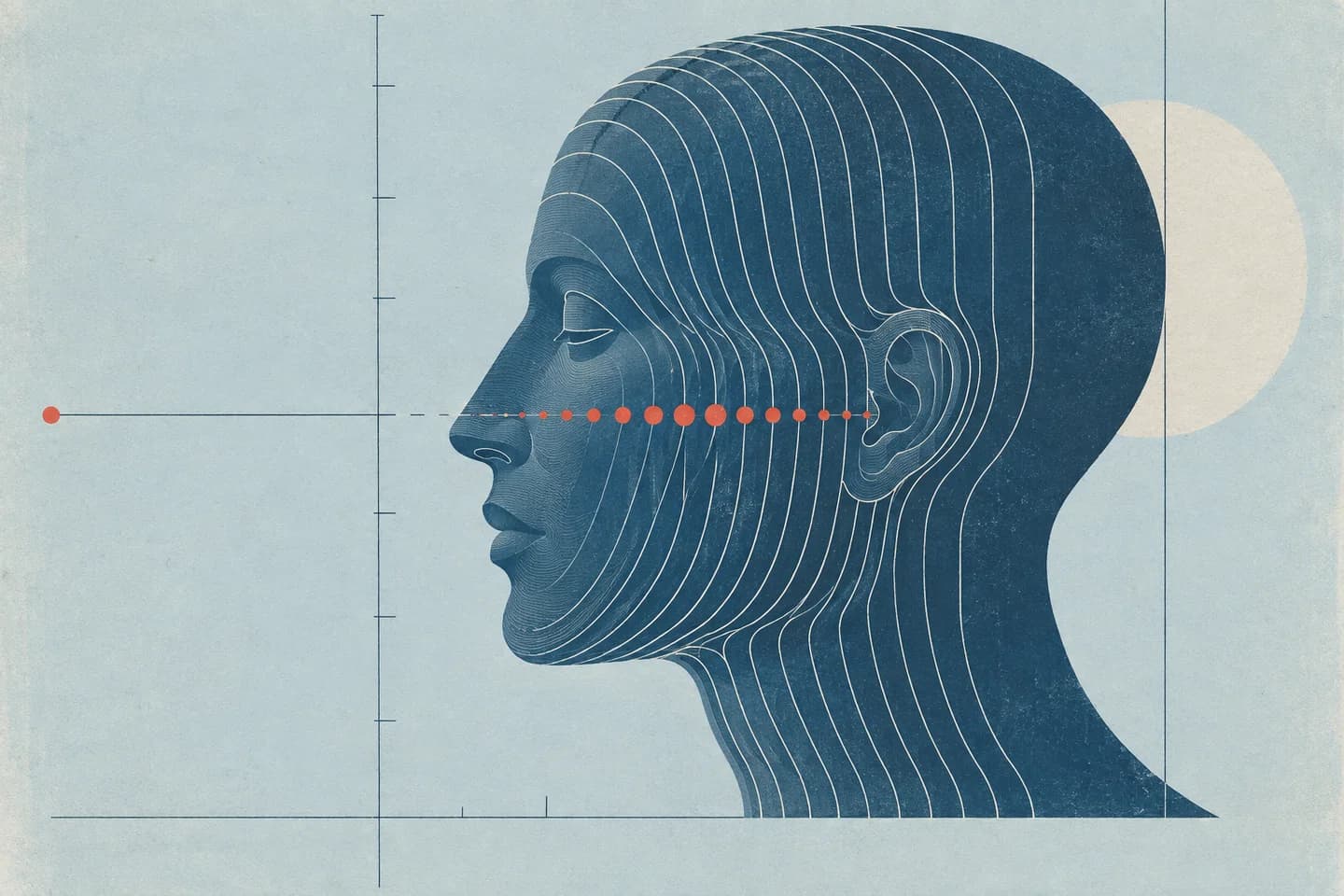
A printed human profile with contour lines and a row of measurement dots.

Measuring ageing

The age hidden in your cells

Your birthday counts years. Molecular clocks read changes in your cells. The ambition is to learn whether a treatment changes the course of ageing while there is still time to act.

The next question

If a clock runs backwards, does the body work better?

Inside the researchHuman tissue data

In 2013, Steve Horvath built an age predictor from DNA methylation: chemical marks on DNA. It used 353 sites and worked across many human tissues. Ageing could now be studied through a shared molecular readout.

What this leaves open. Predicting age is different from proving rejuvenation. A change in the readout needs to be connected to health and function.

Read the paperDNA methylation age of human tissues and cell typesHorvath · Genome Biology · 2013
Horvath · Genome Biology · 2013

Working in this field: Deep Longevity · Sapere Bio · Tally Health

Explore this direction
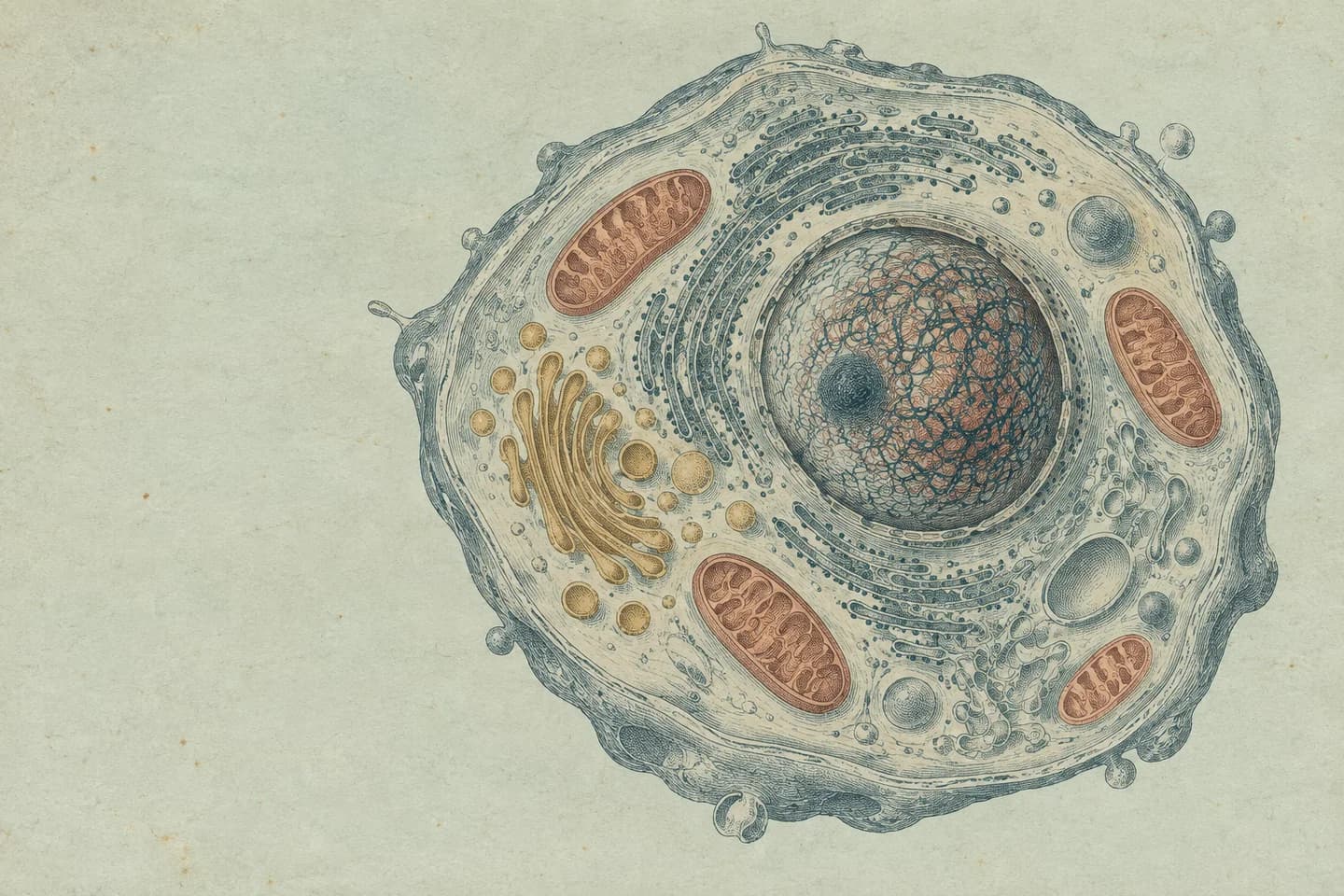
A hand-coloured engraving of a cell, its nucleus and organelles.

Causes of ageing

Inside the machinery of ageing

DNA damage, failing mitochondria, chronic inflammation: ageing has many interacting parts. The challenge is to find which changes drive the others, and where an intervention can make a difference.

The next question

Which changes are causes, and which are consequences?

Inside the researchResearch review

The 2023 Hallmarks of Aging review organizes the field around twelve interconnected processes. Its key test for a mechanism goes beyond association: making it worse should accelerate ageing, and targeting it should help.

What this leaves open. This is a framework for research, not twelve independent switches or a finished explanation of ageing.

Read the paperHallmarks of aging: An expanding universeLópez-Otín et al. · Cell · 2023
López-Otín et al. · Cell · 2023

Working in this field: Integrated Biosciences · Rejuvenate BioMed · Gordian Biotechnology

Explore this direction
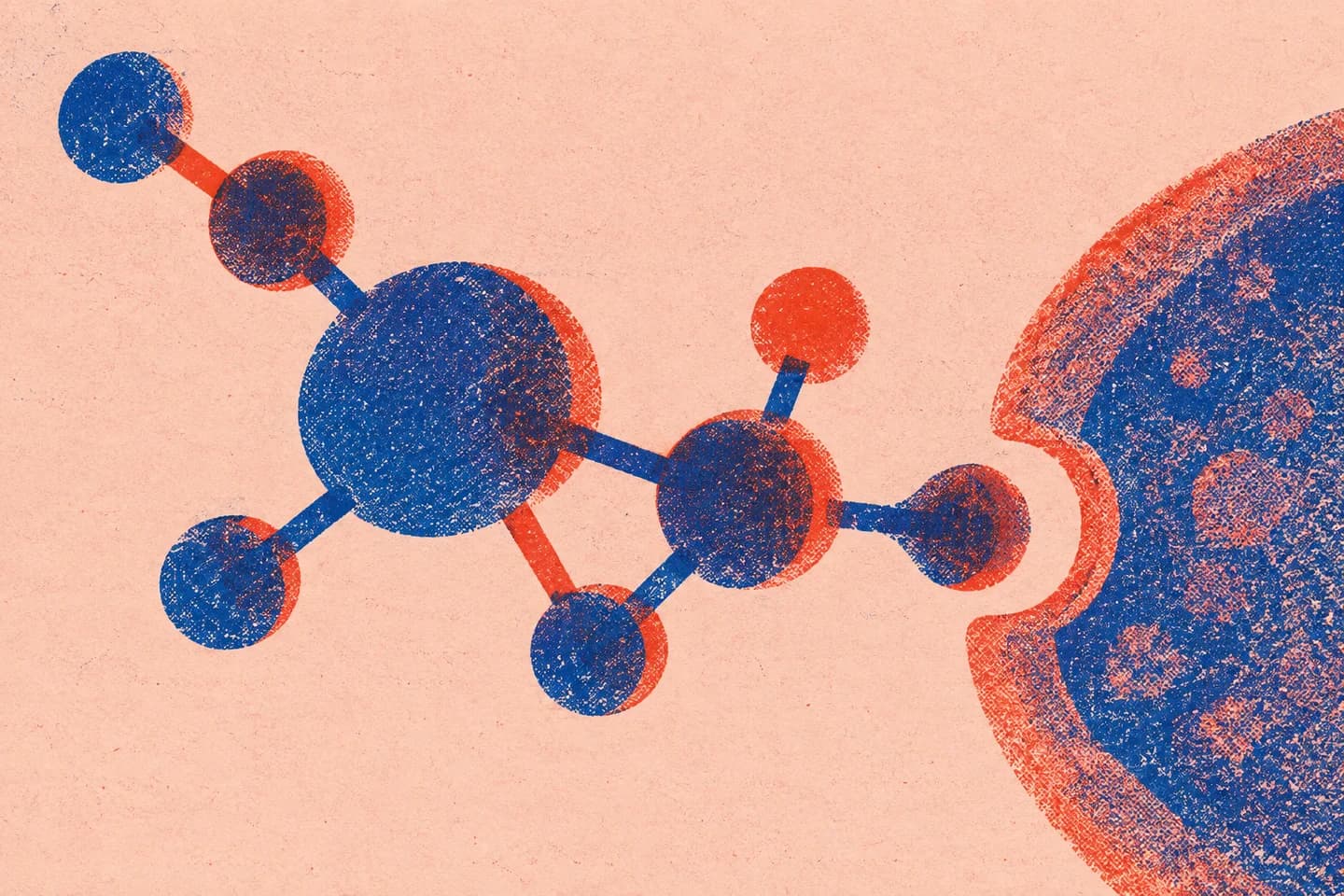
A two-colour risograph of a molecular form approaching a target.

Drugs against ageing

Changing how cells age, one molecule at a time

Cells constantly decide whether to grow, repair or recycle. Drugs can influence those decisions. Researchers test new molecules and revisit existing medicines to see whether they affect ageing itself.

The next question

Which benefits survive the journey from mice to people?

Inside the researchMouse experiment

In a 2009 study across three sites, mice receiving rapamycin late in life lived longer. The experiment made a powerful point: even an old mammal’s lifespan could respond to a drug targeting the mTOR pathway.

What this leaves open. The study tested mice. It did not establish a regimen that extends human lifespan.

Read the paperRapamycin fed late in life extends lifespan in genetically heterogeneous miceHarrison et al. · Nature · 2009
Harrison et al. · Nature · 2009

Working in this field: Mitotech · AKL Therapeutics · HCW Biologics

Explore this direction
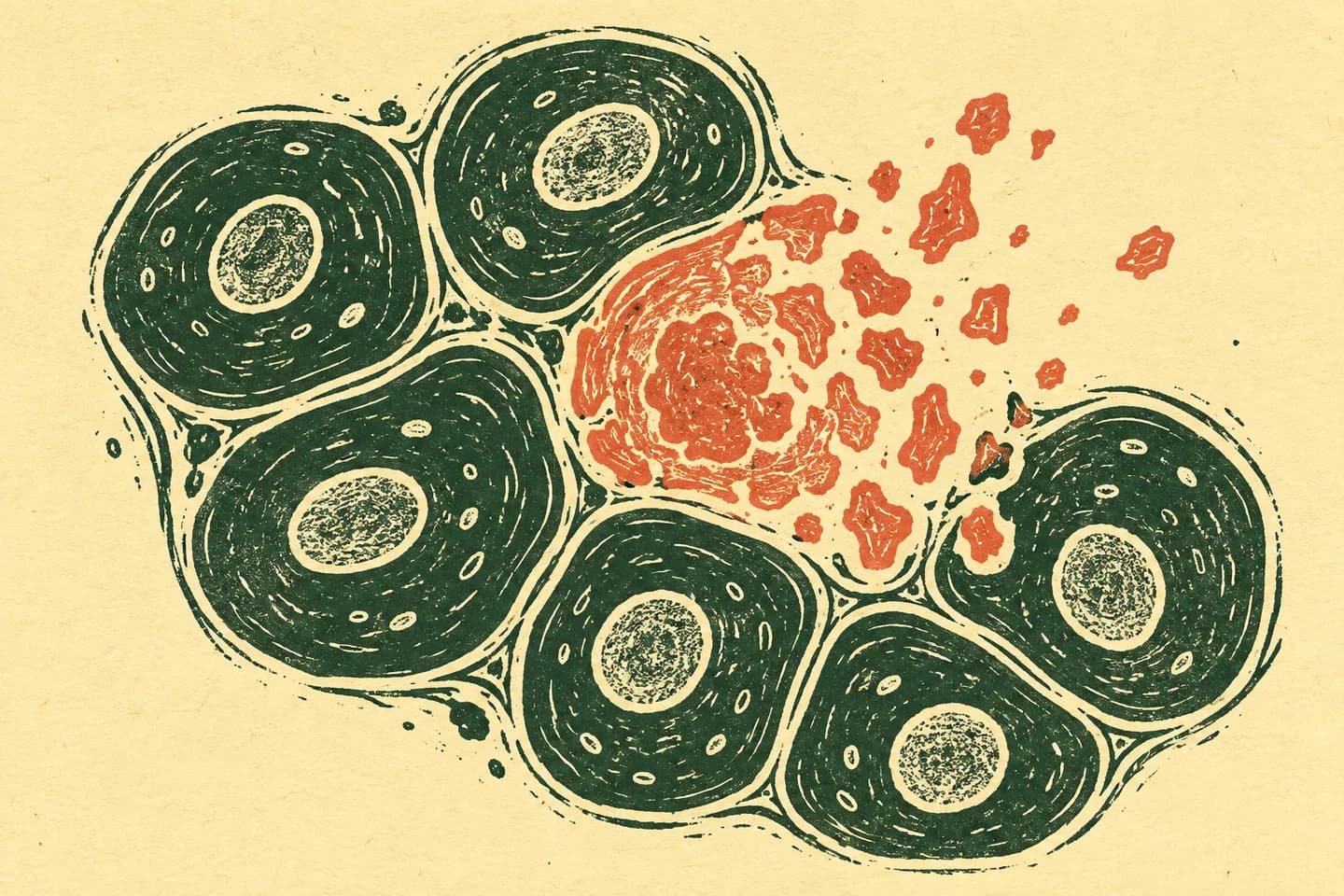
A linocut of tissue cells surrounding a damaged cell that breaks apart.

Repairing damage

Repairing tissue from within

Some damaged cells stop dividing but remain in the tissue, sending signals that affect their neighbours. Removing harmful cells and waste is one way researchers try to restore the environment healthy cells need.

The next question

Can we remove harmful cells while keeping their useful roles?

Inside the researchMouse experiment

Baker and colleagues used a genetic system to remove p16-positive cells in mice. Starting in midlife, the intervention increased median lifespan and reduced deterioration in several organs.

What this leaves open. This was a controlled mouse experiment, not proof that a senolytic drug rejuvenates people. Senescent cells can also help with wound healing.

Read the paperNaturally occurring p16Ink4a-positive cells shorten healthy lifespanBaker et al. · Nature · 2016
Baker et al. · Nature · 2016

Working in this field: Regerna Therapeutics · Elixirgen Therapeutics · Yap Therapeutics

Explore this direction
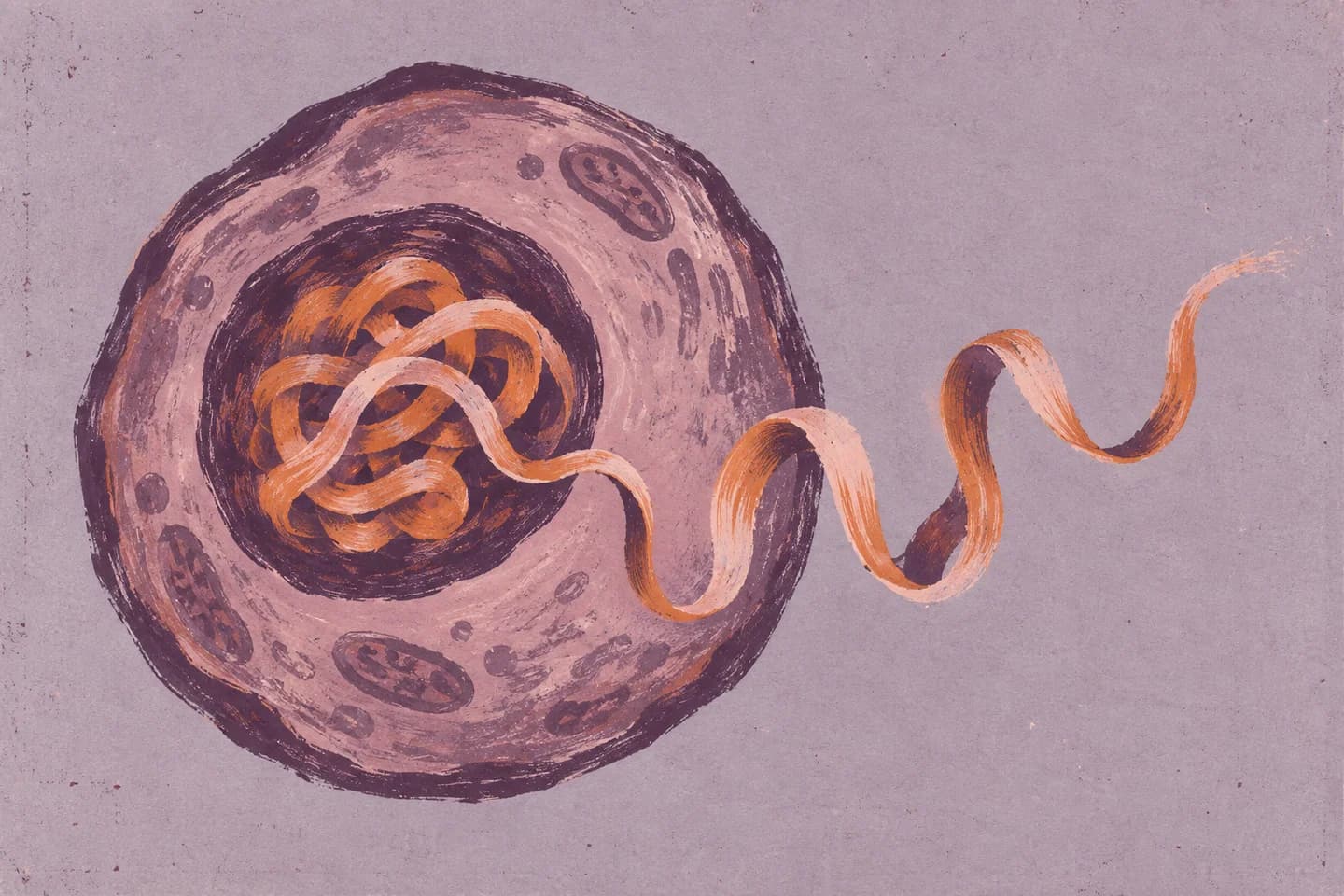
A painted cell with a chromatin ribbon unfurling from its nucleus.

Reprogramming and gene therapy

Restoring a cell’s younger self

A cell’s identity depends on how it reads its DNA. Partial reprogramming explores whether changing that regulation can restore youthful function while preserving what the cell is supposed to be.

The next question

How do we restore function without losing cell identity?

Inside the researchMouse retina experiment

In 2020, researchers expressed three reprogramming factors in mouse retinal cells. The work reported axon regeneration after injury and improved vision in aged mice and a mouse glaucoma model.

What this leaves open. A result in the mouse eye does not establish safe, whole-body rejuvenation in humans. Delivery, control and long-term safety remain central questions.

Read the paperReprogramming to recover youthful epigenetic information and restore visionLu et al. · Nature · 2020
Lu et al. · Nature · 2020

Working in this field: Rejuvenate Bio · Genflow Biosciences · Altos Labs

Explore this direction
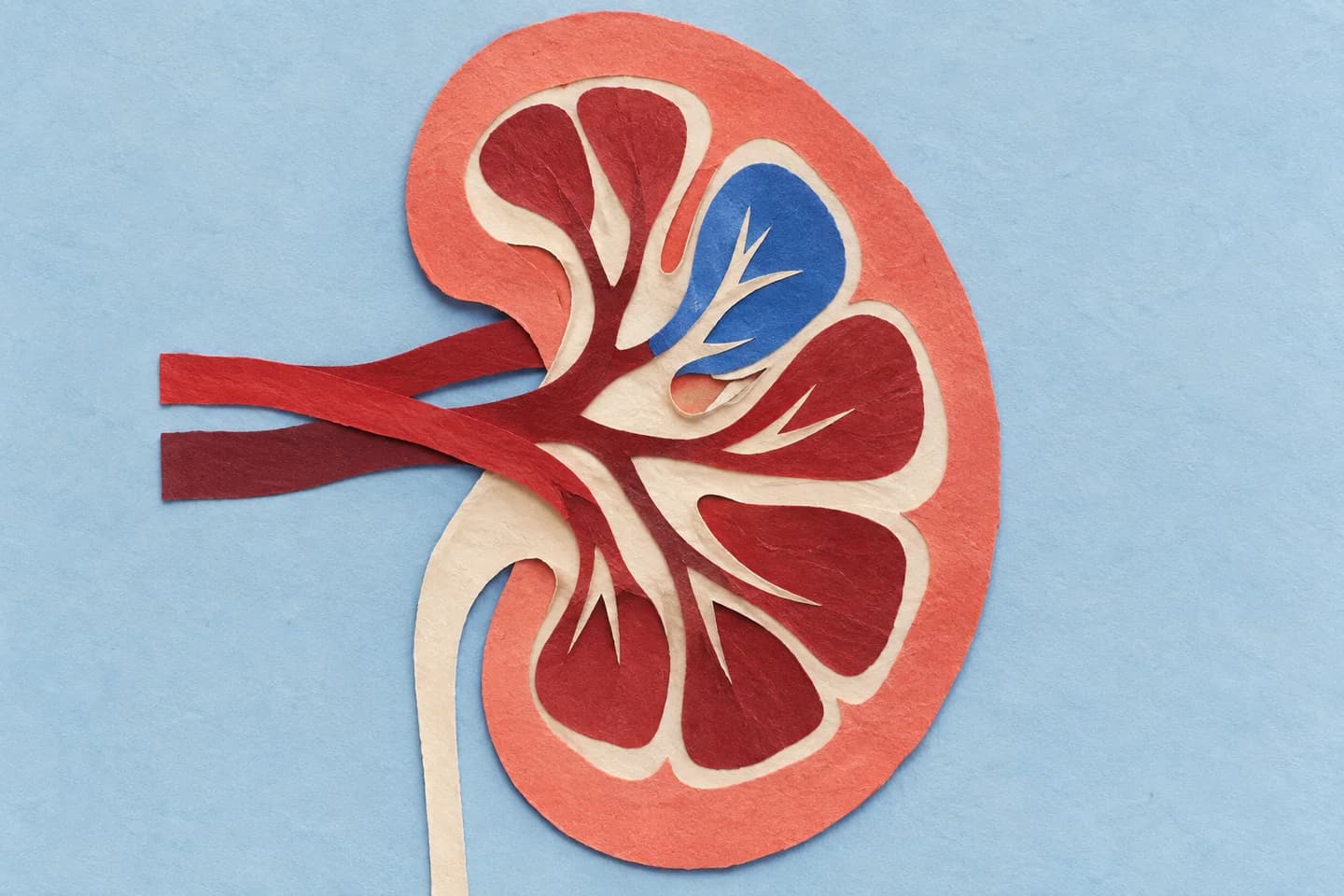
A kidney cross section assembled from layers of coloured cut paper.

Replacing cells and organs

New organs to restore lost function

Engineered tissue, donor organs, cell replacement and xenotransplantation all approach the same problem: restoring a function that has been lost. A working replacement must also become part of a living body.

The next question

Can a new organ function for years and be accepted by its host?

Inside the researchTransplantation in monkeys

A 2023 study tested kidneys from genetically engineered pigs in monkeys. Donor changes that included human genes improved graft survival compared with a more limited set of edits.

What this leaves open. This experiment concerned pig-to-monkey transplantation. It did not show that replacing organs reverses whole-body ageing.

Read the paperDesign and testing of a humanized porcine donor for xenotransplantationAnand et al. · Nature · 2023
Anand et al. · Nature · 2023

Working in this field: Blue Rock Therapeutics (owned by Bayer) · Medipost · Treefrog Therapeutics

Explore this direction
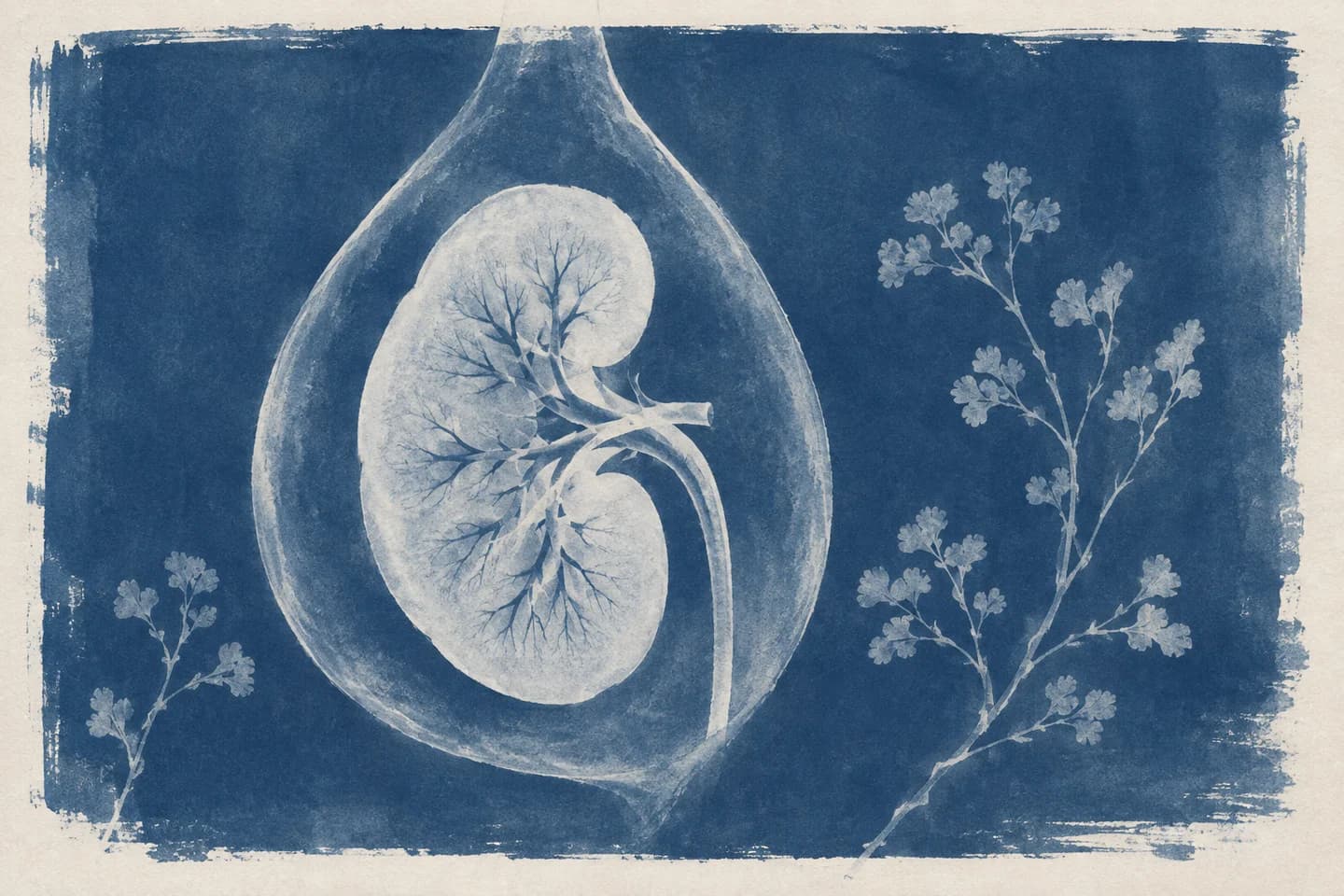
A blue cyanotype of a kidney inside a protective droplet.

Preservation

Keeping living tissue for tomorrow

An organ outside the body has a short window of usefulness. Cooling it into a glass-like state could extend that window. The difficult part is bringing it back without ice damage or cracks.

The next question

Can a larger organ be cooled and rewarmed without damage?

Inside the researchRat kidney experiment

In 2023, researchers stored vitrified rat kidneys for up to 100 days. Magnetic nanoparticles helped warm them evenly. After transplantation, the kidneys provided life-sustaining function in recipient rats.

What this leaves open. Organ preservation is not evidence that a cryopreserved person can be revived. The experiment was performed on rat kidneys.

Read the paperVitrification and nanowarming enable long-term organ cryopreservation and life-sustaining kidney transplantation in a rat modelHan et al. · Nature Communications · 2023
Han et al. · Nature Communications · 2023

Working in this field: Alcor Life Extension Foundation · Nectome · Tomorrow Bio

Explore this direction
A printed microfluidic chip diagram with branching channels and coloured sample wells.

Infrastructure and clinic

Tools that move discovery forward

Cell atlases, shared datasets, laboratory instruments and ways to deliver therapies make the other approaches possible. The field also needs people, institutions and clinical pathways that turn discoveries into work others can build on.

The next question

Can another lab reproduce and build on the result?

Inside the researchOpen cell atlas

The Tabula Muris project published a shared resource of more than 100,000 cells from twenty mouse organs and tissues. It lets researchers compare cell types across the body using common reference data.

What this leaves open. An atlas is a research tool, not a treatment. Its value depends on how well new experiments can use and extend it.

Read the paperSingle-cell transcriptomics of 20 mouse organs creates a Tabula MurisTabula Muris Consortium · Nature · 2018
Tabula Muris Consortium · Nature · 2018

Working in this field: Magnitude Biosciences · OneSkin Technologies · AVEA

Explore this direction

A reading list of landmark work, not a claim that any approach has solved human ageing.

Conceptual illustrations created with AI. Research findings are described in the text and linked to their sources.